
What is fertility, what are fertilisers and do you need them in your container garden?
What you’ll learn 🧑🎓
Fertility and fertilisers can be a confusing subject, but this is what I understand about it.
Fertile soil is soil which is rich in all of the necessary nutrients needed to grow healthy and disease free plants.
Growing plants in containers means that nutrients are continually being washed away when you water or when it rains. There’s little you can do because your containers need holes and if excess water can’t escape, the soil will become too soggy.
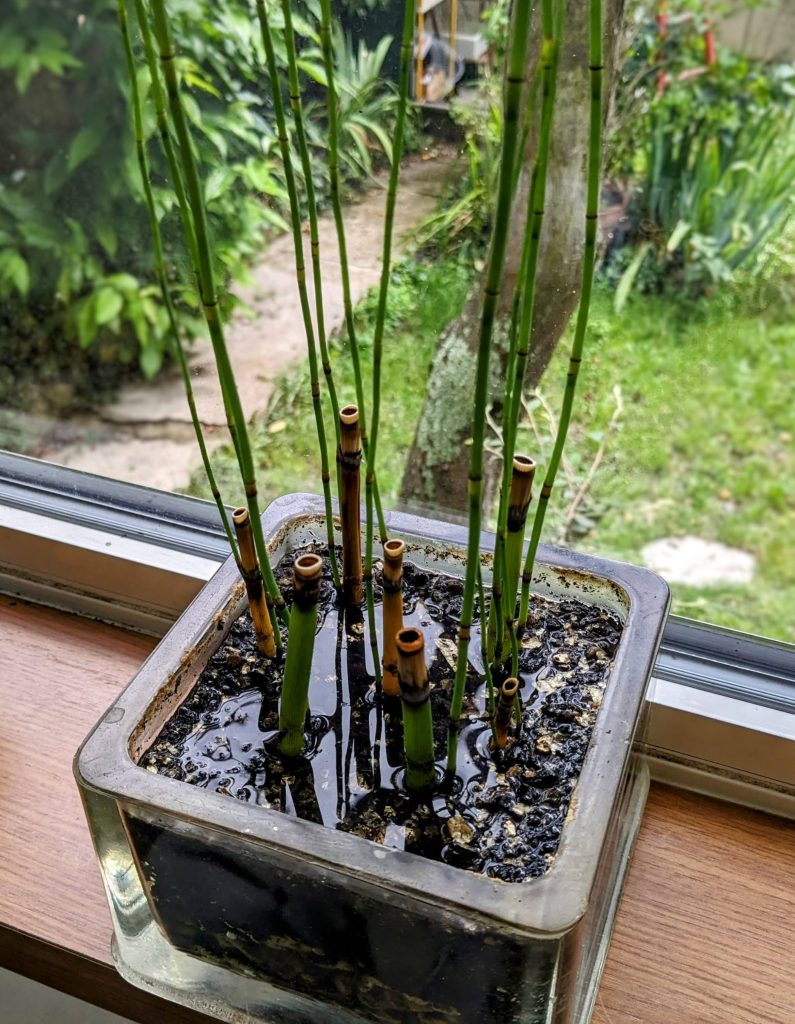
Most plants do not like having their roots standing in soggy soil unless they’re aquatic plants, which this guide is not about.
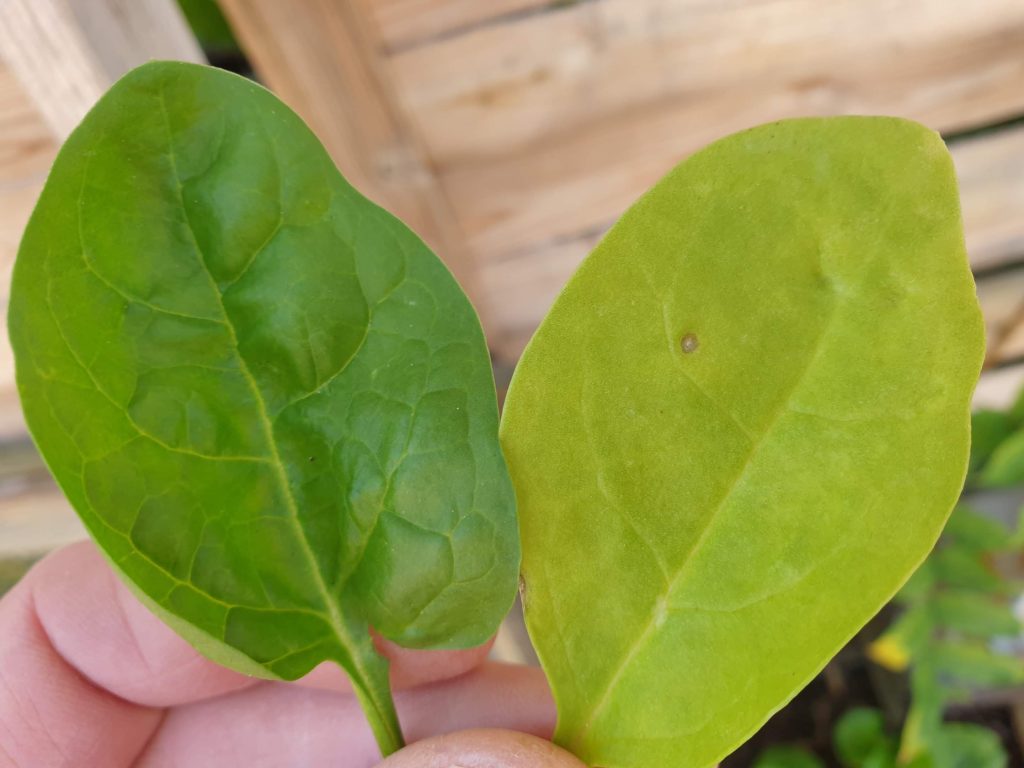
The smaller and shallower your containers are, the quicker essential nutrients will be lost. Your plants will often tell you if something is wrong. They will exhibit symptoms like yellowing or discoloured leaves or stunted growth.
But soil fertility is so much more than the average gardener thinks about.
Nature doesn’t use fertilisers yet meadows and woodlands are always bursting with life.
But why is that so?
Feeding the plants or, feeding the soil to feed the plants?
Broadly speaking there are two approaches to healthy plants: feeding the plants or, feeding the soil to feed the plants. It’s a bit like eating fruit and vegetables to get your vitamins or taking supplements. Both have their merits and one isn’t necessarily superior to the other.
Feeding the soil
When you add compost or organic amendments like animal manures to the surface of the soil in your containers, you’re actually feeding the microorganisms that live there.
Likewise, the human digestive system relies on a complex symbiosis of billions of bacteria and other microorganisms that break down the food in our gut making it available for our bodies to use.
When you consume fruit and vegetables, you are actually feeding these microorganisms. They in return, maintain your gut in a healthy state keeping you healthy too.
Cultivated soils become impoverished because organic material is removed and not left to decompose where it is. We want our gardens to look tidy but doing so deprives soil organisms of food.
In a healthy ecosystem, dead plant material is recycled by a complex web of soil life. Bacteria, fungi, worms and many other microscopic creatures transform organic material to be absorbed and made available to your plants.
We can somewhat correct this imbalance by taking the plant waste and composting it. When the process is complete, we can return the finished compost product rich in nutrients back to the soil surface.
Feeding the plant
Alternatively, feeding the plant is like taking vitamin supplements where nutrients are immediately available either in liquid or solid form.
Eating your veg or feeding your soil is arguably the best way to take care of yourself and your garden in the long term. Sometimes though, your plants need a quick boost and that’s where some fertiliser comes in useful.
But like everything else, moderation is the key.
An excessive intake of protein supplements can lead to kidney stones. Overdosing on concentrated vitamins can lead to serious health issues and it’s the same with plants.
Too much nitrogen will encourage excessive stem and leaf growth at the expense of the roots and later the fruits if you’re growing tomatoes.
Let’s take a minute to see what plants need to grow well.
What is N – P – K?
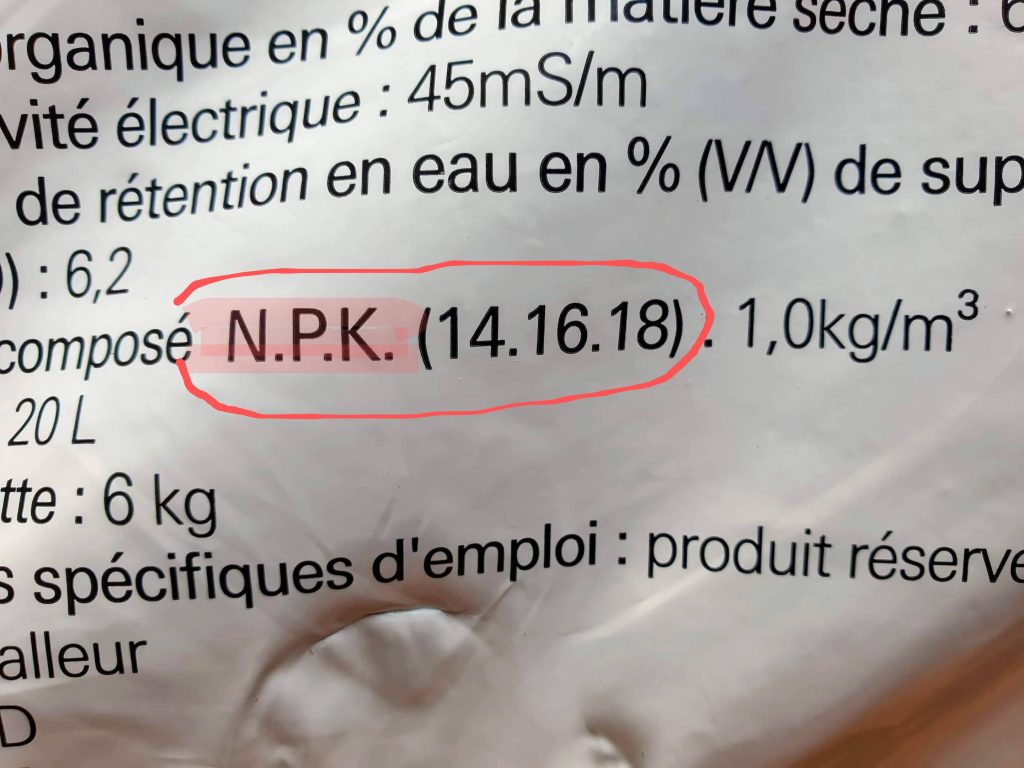
Added fertiliser in a bag of potting soil:
(N) Nitrogen 14, (P) Potassium 16, (K) Phosphorus 18
To grow and be healthy, humans require certain types of foods like protein, carbohydrates and fats as well as vitamins and minerals. Plants too require certain elements like nitrogen (N), phosphorus (P) and potassium (K) as well as trace minerals like calcium and magnesium.
A fertiliser is a natural or artificial substance containing the chemical elements that improve the growth and the productiveness of plants.
https://www.britannica.com/topic/fertilizer
Fertilisers enhance the natural fertility of the soil or replace chemical elements taken from the soil by previous crops.
N – Nitrogen
Nitrogen is used by the plant to grow stems and leaves and is a component of the air we breathe. It’s the most abundant element in the atmosphere but plants can’t use it directly from the air. It has to undergo a transformation called nitrogen fixation which is performed by bacteria in the soil.
P – Phosphorus
Phosphorus is used by the plant in root growth and it’s found in minerals called phosphates.
K – Potassium
Potassium is used by the plant in fruit production and in its essential form reacts very violently with water. It is found bound to the other minerals instead and minerals that contain potassium are referred to as potash.
When should you use fertiliser?
Lettuce being a fast growing plant, it should have all the nutrients it needs to grow right from the start.
If you’re filling a new container with store bought potting soil, it will have everything a plant needs to grow healthily including fertiliser. If you are using old compost from a previous year, you will need to add a fresh layer of compost to the surface. You can also add some composted animal manure instead.
Later on in the growing season, I might add some organic slow-release fertiliser like hoof and horn especially if I’m growing nutrient hungry tomatoes or zucchini.
Bags of commercial compost often contain fertilisers and you will see the abbreviation N.P.K. with the corresponding levels of each.
So N5 P5 K5 is a balanced fertiliser and higher numbers mean higher concentrations
Sometimes you’ll notice your plants aren’t growing as you’d expect. If you have several containers of plants, you might notice that some of your lettuce are double or triple the size of others or that some of the plants look a pale yellow instead of vibrant green.
These are telltale signs that something is amiss. The size difference between plants can sometimes be a lack of sufficient sunlight but yellowing leaves means either the plant is unwell or missing nutrients.
The first thing I do is add some fertiliser either in liquid or powdered form. Then I’ll wait a couple of weeks to see if the plant grows better or the yellowing leaves return to their usual green colour.
Some types of organic fertilisers and how to apply them
There are many types of organic fertilisers and what you use will be what you can find easily.
There is also an important distinction to be made between fast and slow release fertilisers:
- A fast-release fertiliser (usually high in nitrogen) means that the nutrients are instantly available to your plants.
- Slow-release means that nutrients are gradually made available over an extended period of time.
I’ve used hoof and horn, bloodmeal and horse manure bought from the store, and locally sourced rabbit dung, fermented plant waste and my own urine.
A commonly sold fertiliser is horse manure but it cannot be used fresh, it must be composted first.
Horse manure needs to undergo a chemical transformation before it can be useful for plants. You often see mounds of manure in farmer’s fields in the autumn. The manure slowly decomposes over the winter and is ploughed into the soil in spring.
You can buy composted manure in bags and you just spread it on the soil surface before or after planting.
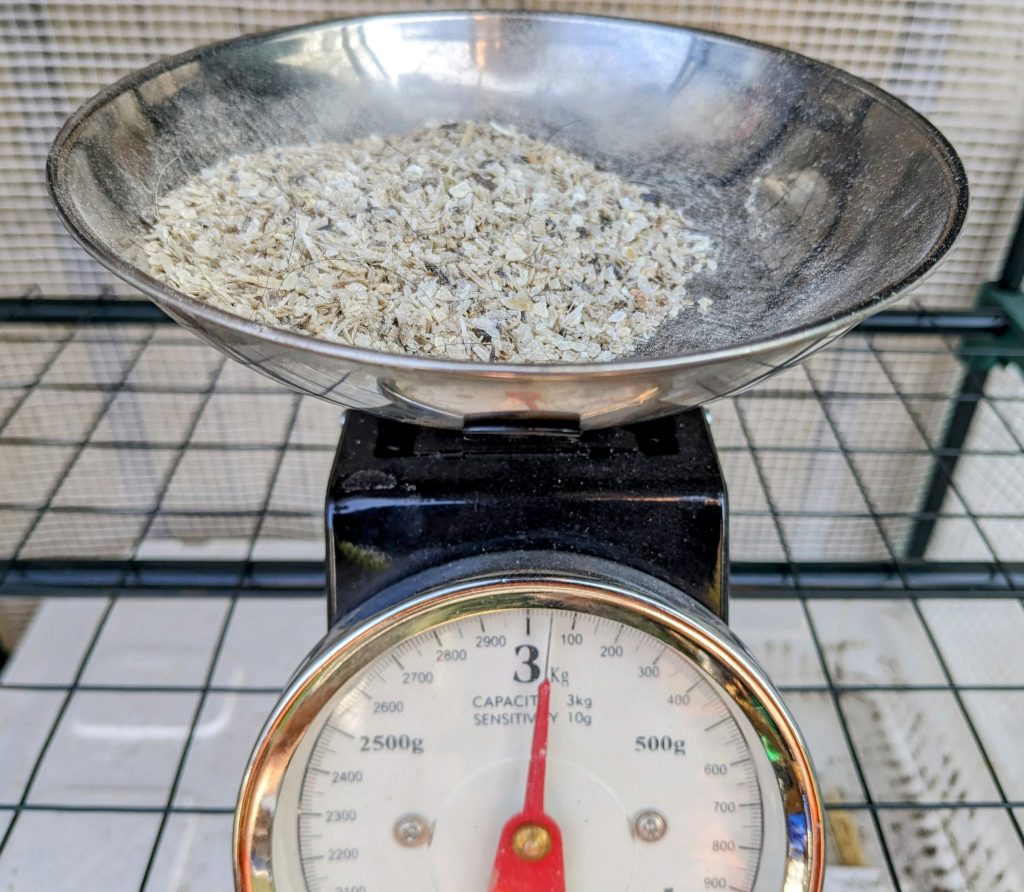
Hoof and horn is processed from the shredded hooves and horns of cattle in the meat production industry. A slow-release fertiliser, it comes in the form of tiny flakes.
Another by-product is bloodmeal, which comes as a powder to spread around your plants as a top dressing. A fast-release fertiliser, bloodmeal is high in nitrogen if you need to give your plants a quick boost.
If you’re vegan or vegetarian, you may feel adverse to using these products but there are alternatives.
One alternative is rabbit manure and rabbits can make nice pets to have around.
I have some friends that keep rabbits and I asked them if I could have the droppings. They probably thought I was nuts!
There are many other fertilisers like fish emulsion, seaweed, chicken litter, vermicompost and guano made from the droppings of bats and seabirds.



Rabbit droppings are practically odourless with a mild earthy smell.
They are easy to handle and I’m not scared to grab a handful without gloves on.
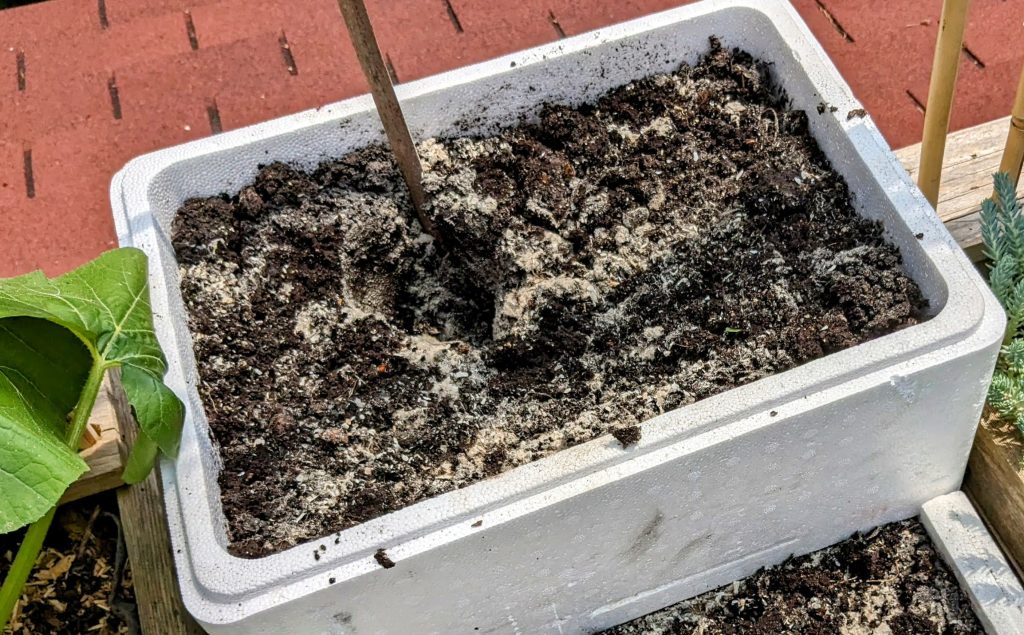
To get the nutrients quickly where it’s needed, you should crush the droppings to make a powder and sprinkle it on the soil surface around your plants.
I put the droppings in a box and crush them with a flat piece of wood. I just sprinkle the powdered manure around my plants and then water it in.
Here are 5 advantages with rabbit manure or droppings:
- It’s free if you have friends with rabbits and they have no use for the droppings.
- Rabbit manure contains good amounts of nitrogen, phosphorus and potassium as well as trace elements of calcium, magnesium, boron, zinc, manganese, sulphur, copper and cobalt.
- Rabbit manure is four times as rich as horse manure and twice as rich as chicken manure.
- Rabbit manure improves poor soil structure, drainage and moisture retention.
- Rabbit manure does not need to be composted, you can use it straight away in your garden.
It’s also good if the droppings are mixed with the straw bedding as this will also contain additional urine.
Talking about P

To quickly get more nitrogen and other nutrients to your plants, urine surprisingly makes an excellent and free organic fertiliser.
Farmers have used urine for thousands of years, it’s constantly renewable and it contains the same essential ingredients found in commercial fertilisers.
If you can get past the cultural gross factor which I believe has a lot to do with our puritanical upbringing, urine is a simple and natural resource available anytime.
My advice is to keep this little secret to yourself, you don’t want to fire up the imagination of your dinner guests or have them push aside your delicious salad for fear of catching something.
@rooftopveg Daily Free Fertilizer #fertilizer #urinetherapy #urine #growingkale #rooftopgardening #organicvegetable #containergarden
♬ 오리지널 사운드 – 루아 LuA – 루아 LuaDoll🪽
According to the journal Scientific American, urine is chock full of nitrogen, potassium and phosphorus, which are the nutrients plants need to thrive—and the main ingredients in common mineral fertilisers.
Just mix 1 part urine with 10 to 20 parts water and apply around your plants. Like all good things, use sparingly about twice monthly, or until your plants look healthy and green again.
I keep a jar with a lid in the bathroom and as soon as it’s full, I store it outside where it won’t bother anyone.
It should be noted that the quality of your urine will vary according to your diet and your state of health.
And one word of warning, do not use your own urine if you take any type of medication on a regular basis. The chemical components will accumulate in your soil over time and likely negatively affect the microbial activity in your soil.
If you don’t like the idea of using urine fertiliser, just buy some organic liquid fertiliser from your local garden store and follow the instructions.
Up next – Harvesting and Eating Lettuce