


I prefer harvesting and eating lettuce on a cut-and-come-again basis. Picking the outside leaves as soon as they are big enough to eat instead of waiting until the plants mature and cut off the head.
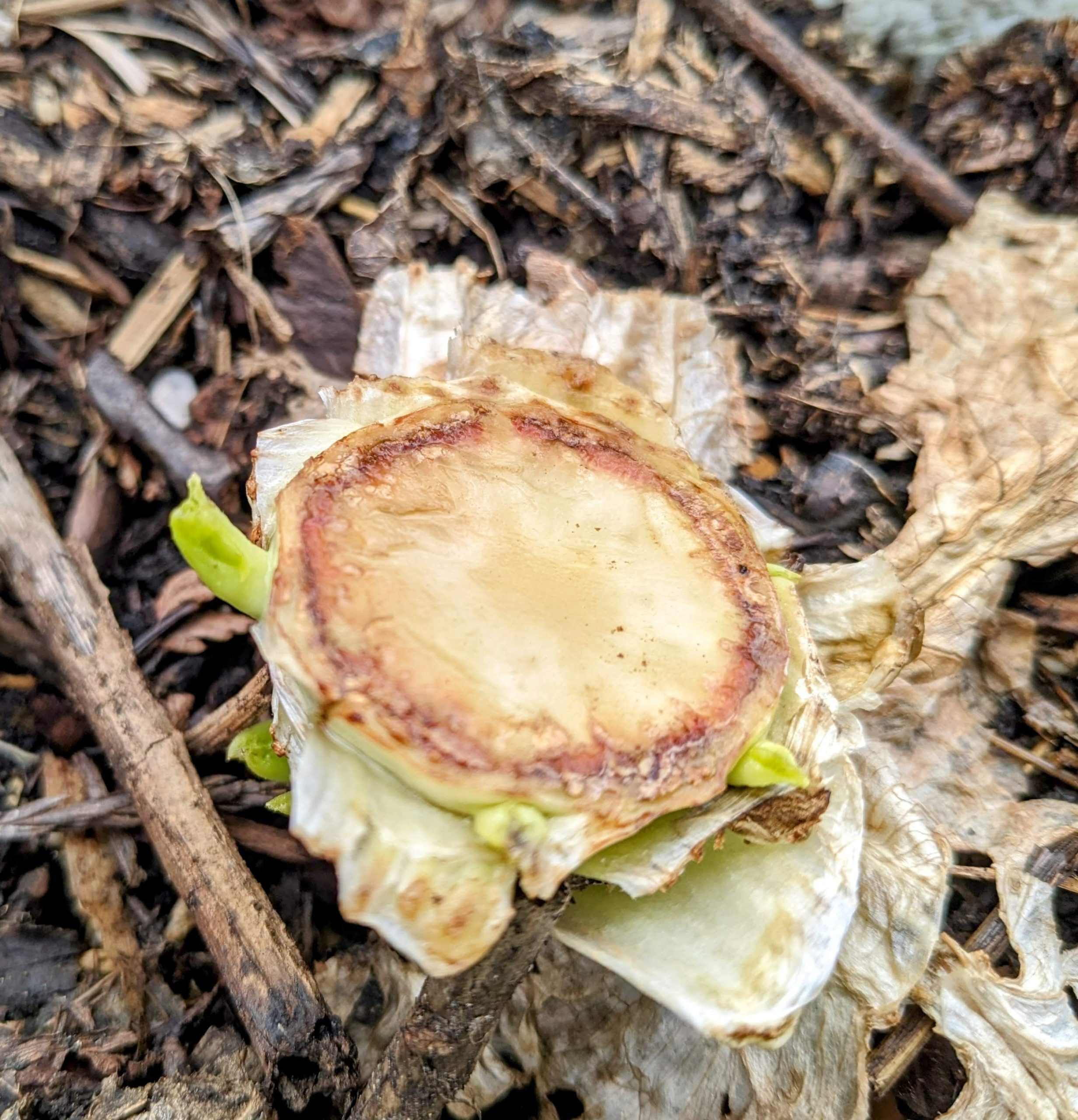
You might harvest a mature lettuce like a butterhead only to find that it’s rotten inside.
And although lettuce grows back from the stalk, the leaves it grows are smaller and of inferior quality.
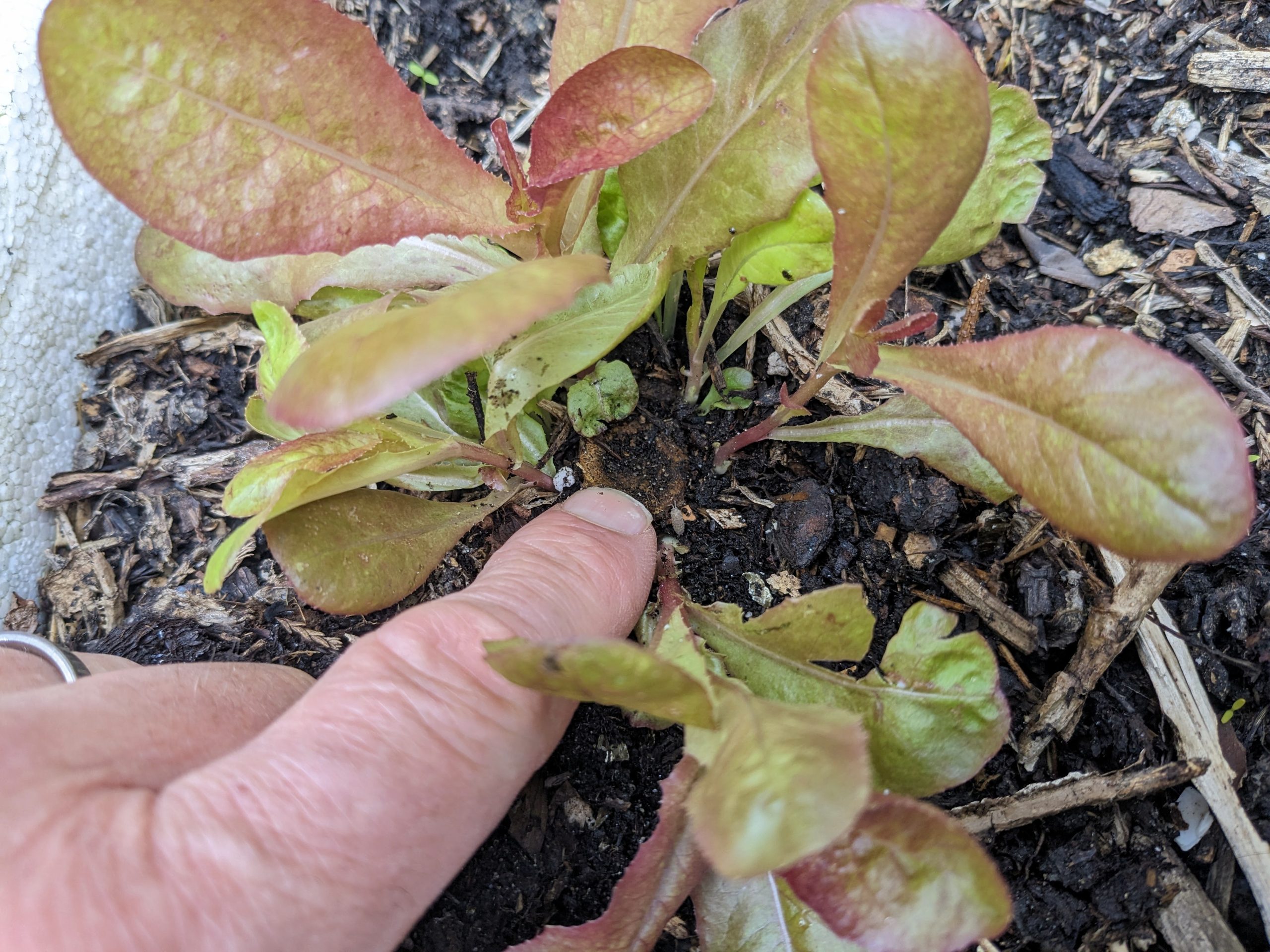
By picking this way, you benefit from continuous harvests as early as possible.
The repeated picking of leaves makes the plant want to grow more and more because it needs a certain volume of root and leaf before it feels a need to rise and seed. Thus the life and productivity of the plant is considerably increased.
For picking lettuce there are two methods:
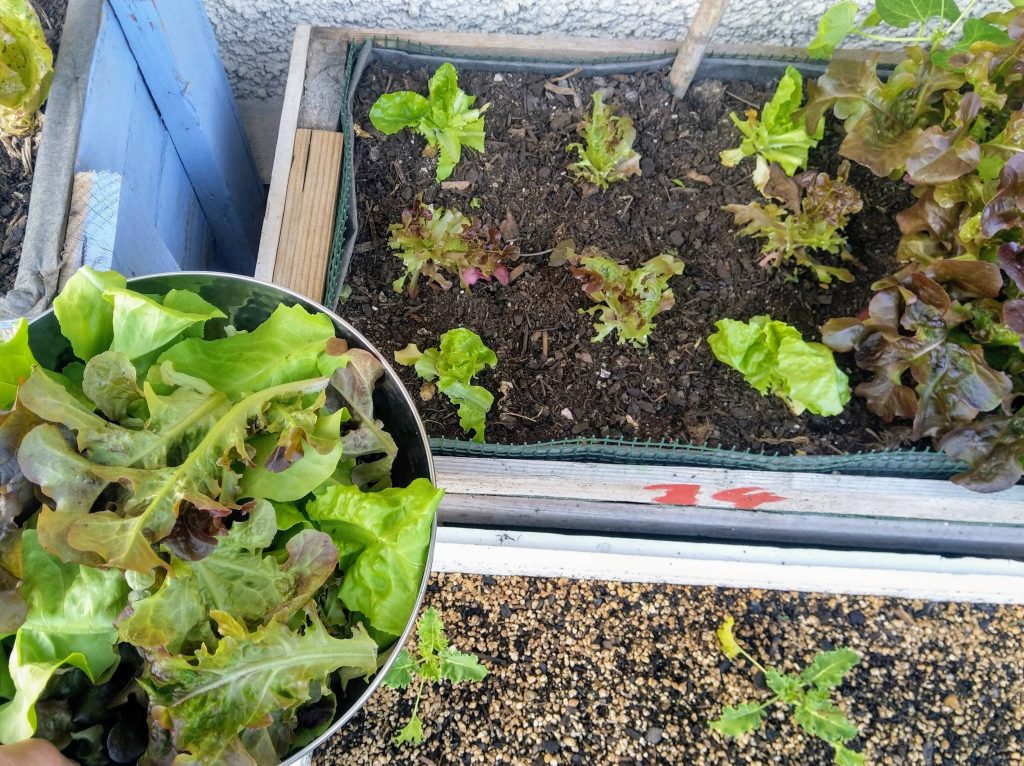
- My preferred method is picking one to three leaves off each plant. That way I always get a mix of green and red leaves in my salad.
- The second method is picking all the leaves of just one plant in one go. It will take the lettuce at least two weeks to grow back to its original size. If you’ve got 14 lettuce plants then in theory, by the time you get to your last lettuce the first one will be ready for picking again.
The second method carries risks of stressing the plant because you’re removing almost all the leaves in one go just leaving a minimum of 4 leaves in the centre.
There are two harvesting times for lettuce depending on when you sowed or planted outside:
- Autumn, winter and spring
- Spring and Summer
The first is for plants planted after summer in August or September. This is a long picking period that can last approximately 8 months. It must be said that during the cold winter months, lettuce growth will be slower with smaller and less leaves to harvest.
The second picking period is much shorter, lasting until mid and late summer in July and August. This is when lettuce grows very fast giving you bumper picking daily.
Lettuce conservation and preparation
I prefer to harvest lettuce and leaf vegetables just before eating. This ensures minimum nutritional loss and I love the feeling of picking leaves whenever I want.
Harvest crisp green or red leaves. Lettuce leaves should be free of wilting, rust or rot. Put damaged or dying leaves in your compost bin if you have one.
Wash thoroughly
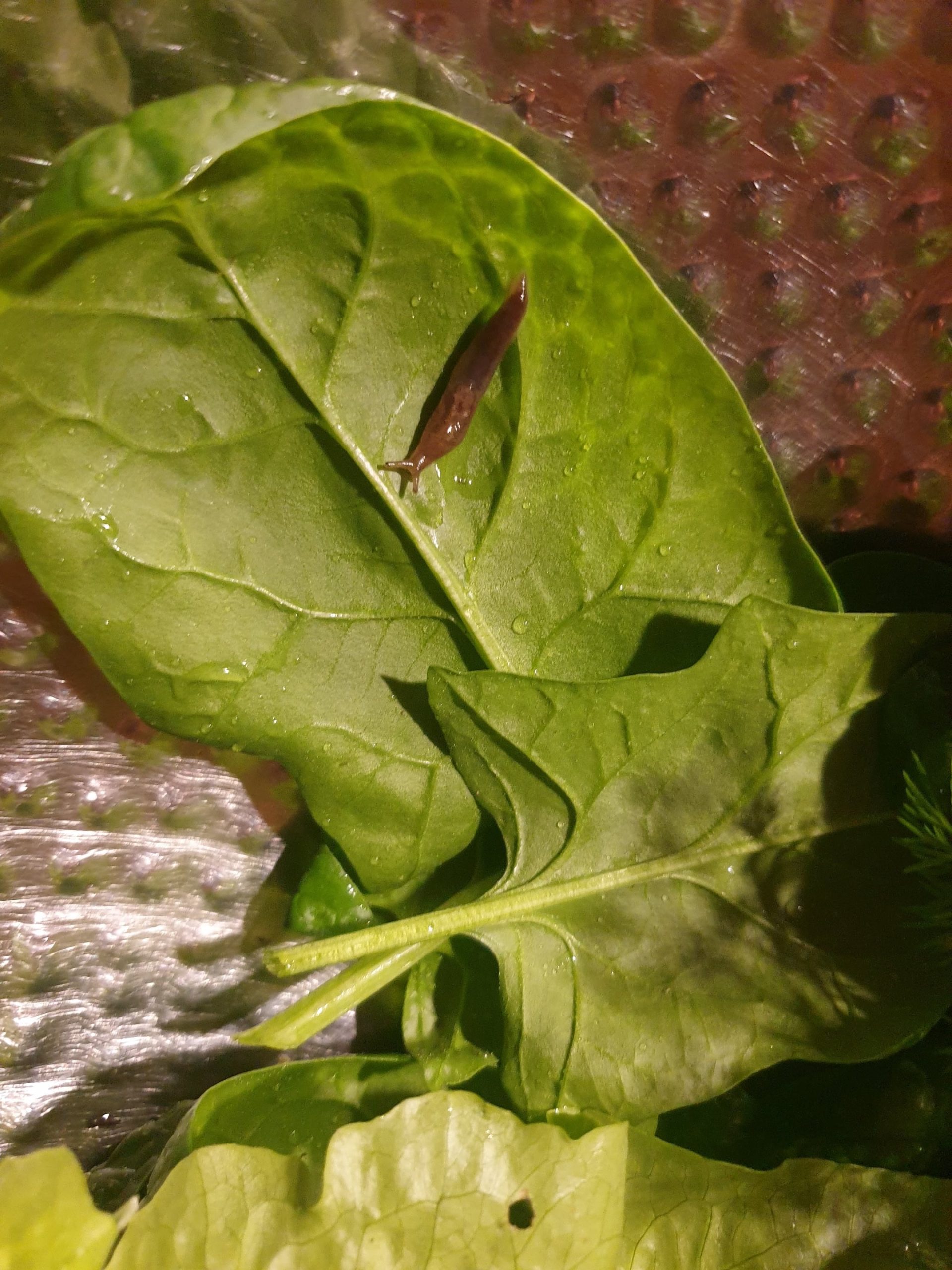
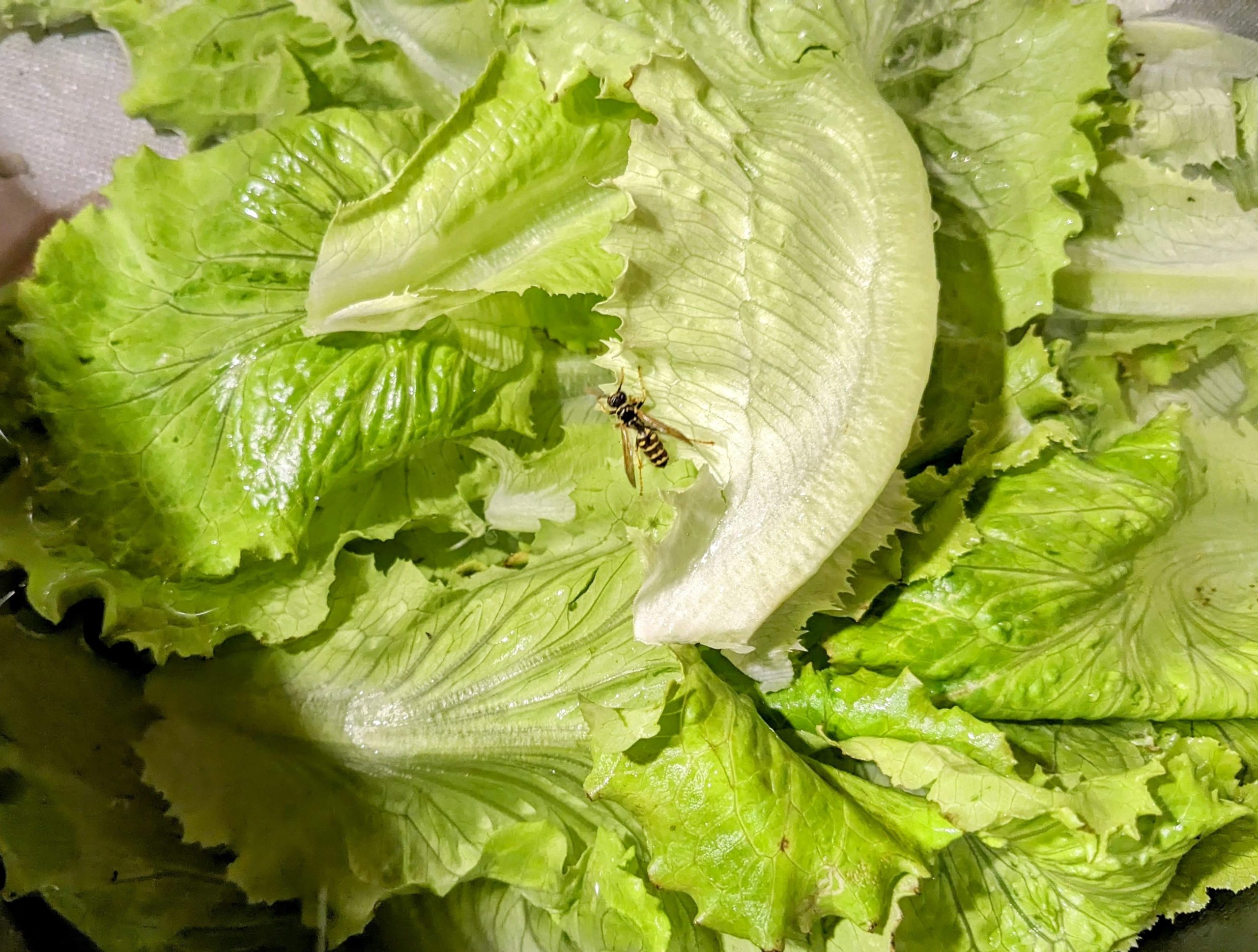
Have you ever seen a snail or a slug in store bought lettuce? Salad plants are treated with so many pesticides, nothing much survives.
An organic vegetable garden is different. With the upside of harvesting more nutritious plants, you have the downside of finding unpalatable creatures like aphids, slugs and snails and even wasps making their way in between your lettuce leaves.
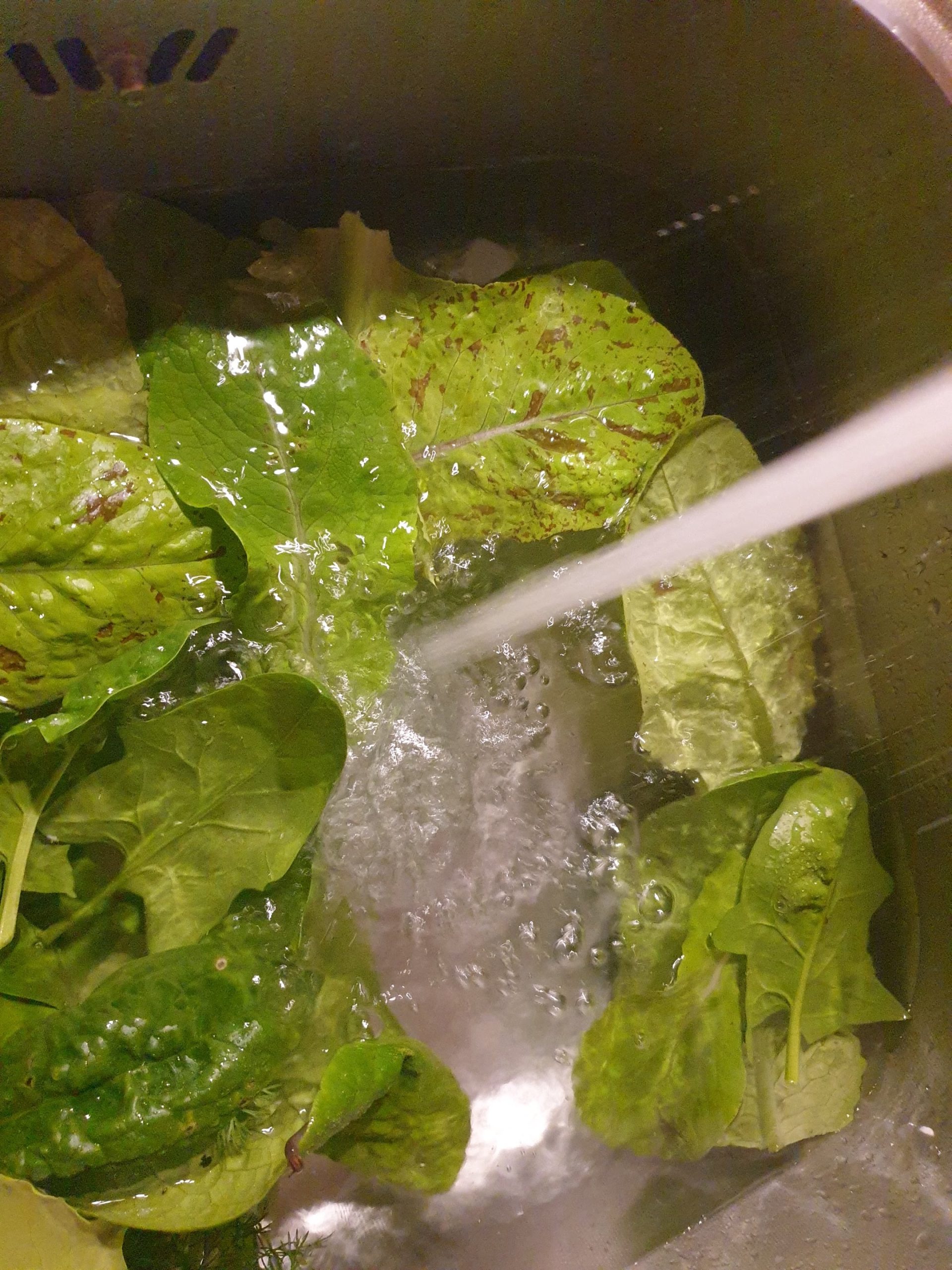
For this reason you must thoroughly wash your lettuce and inspect each leaf if you don’t want an unpleasant surprise at dinnertime.
Rinse lettuce leaves in cold water just before serving. Spin in a salad spinner or pat the leaves dry with a paper towel.
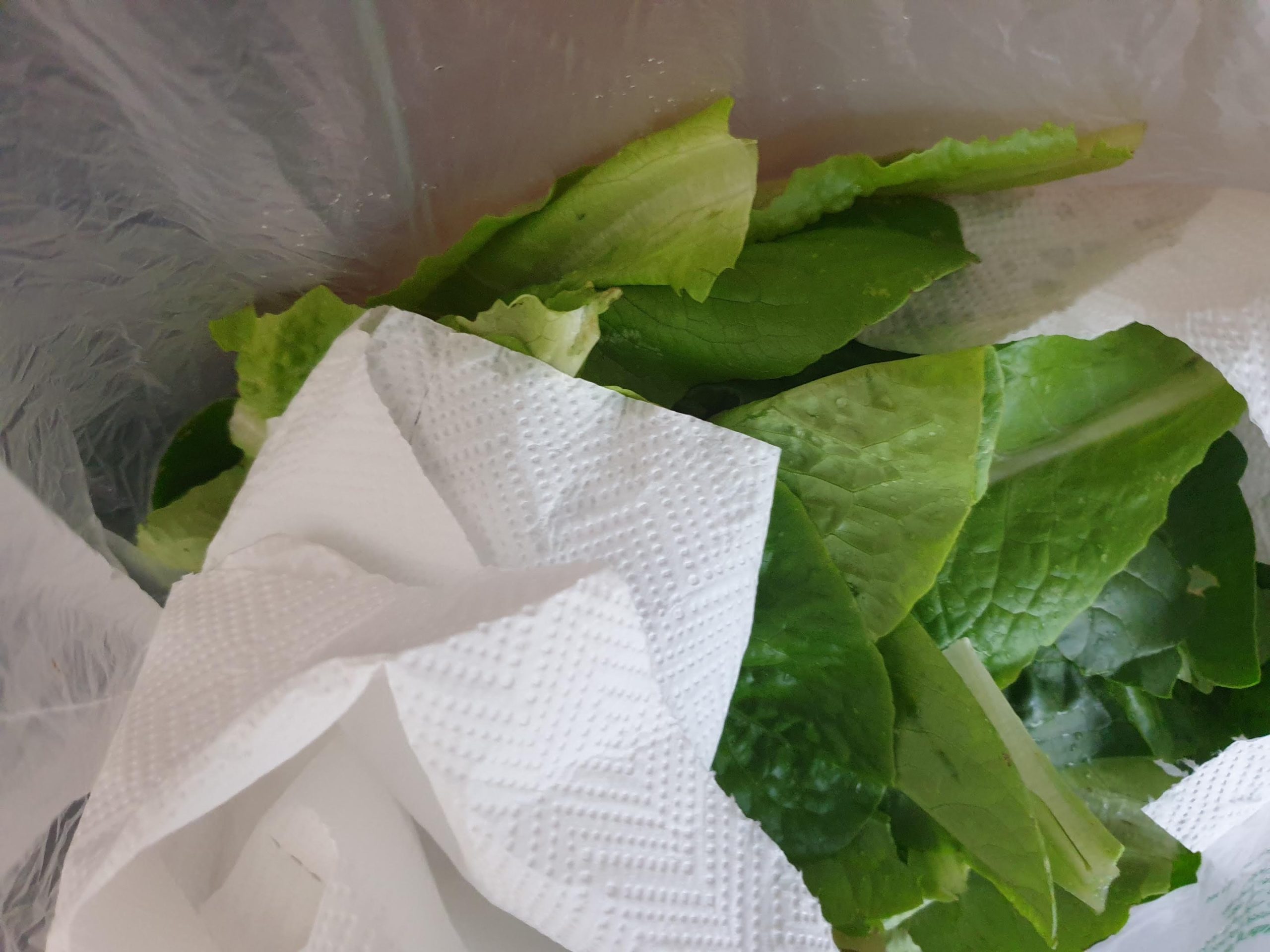
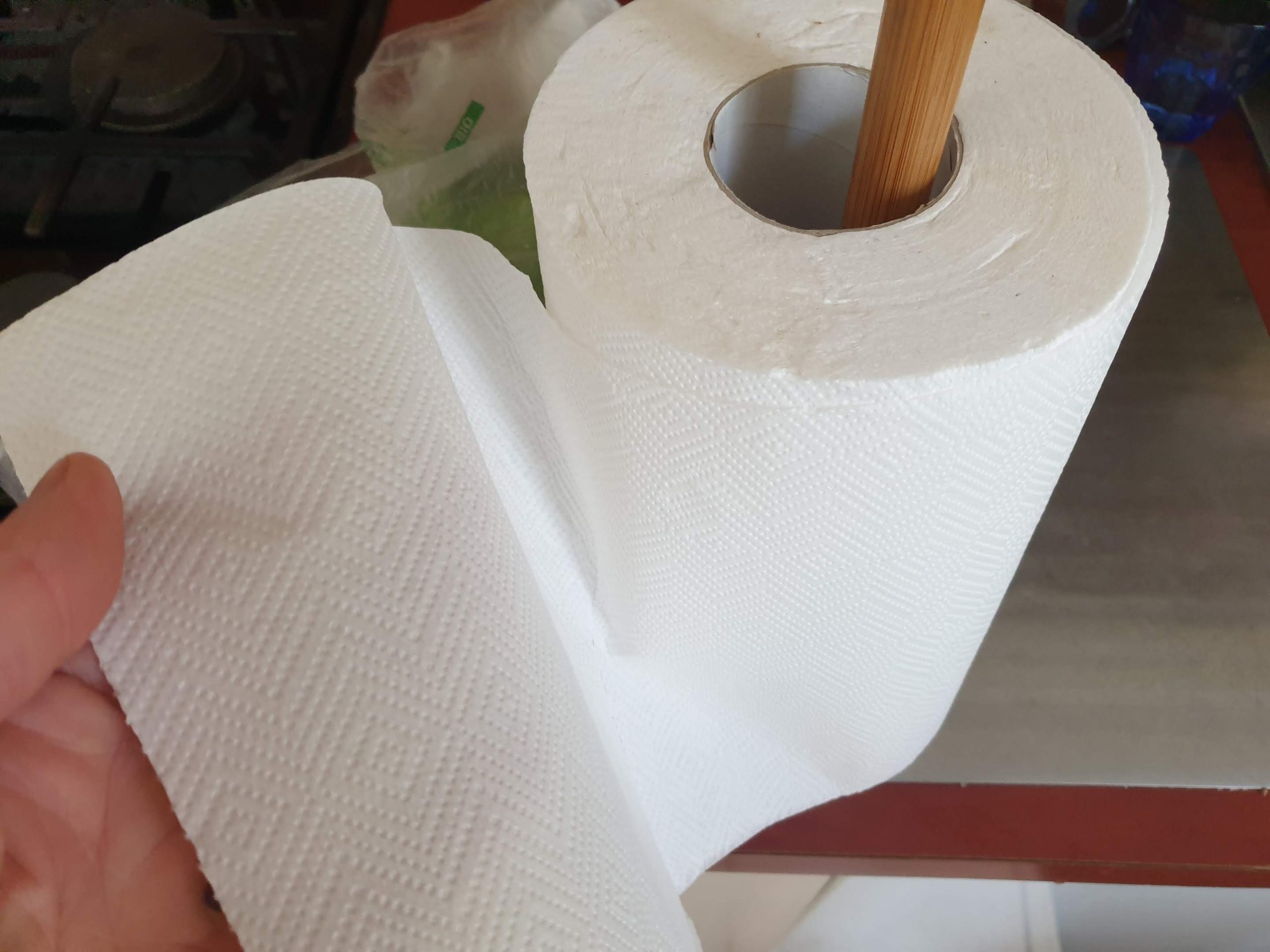
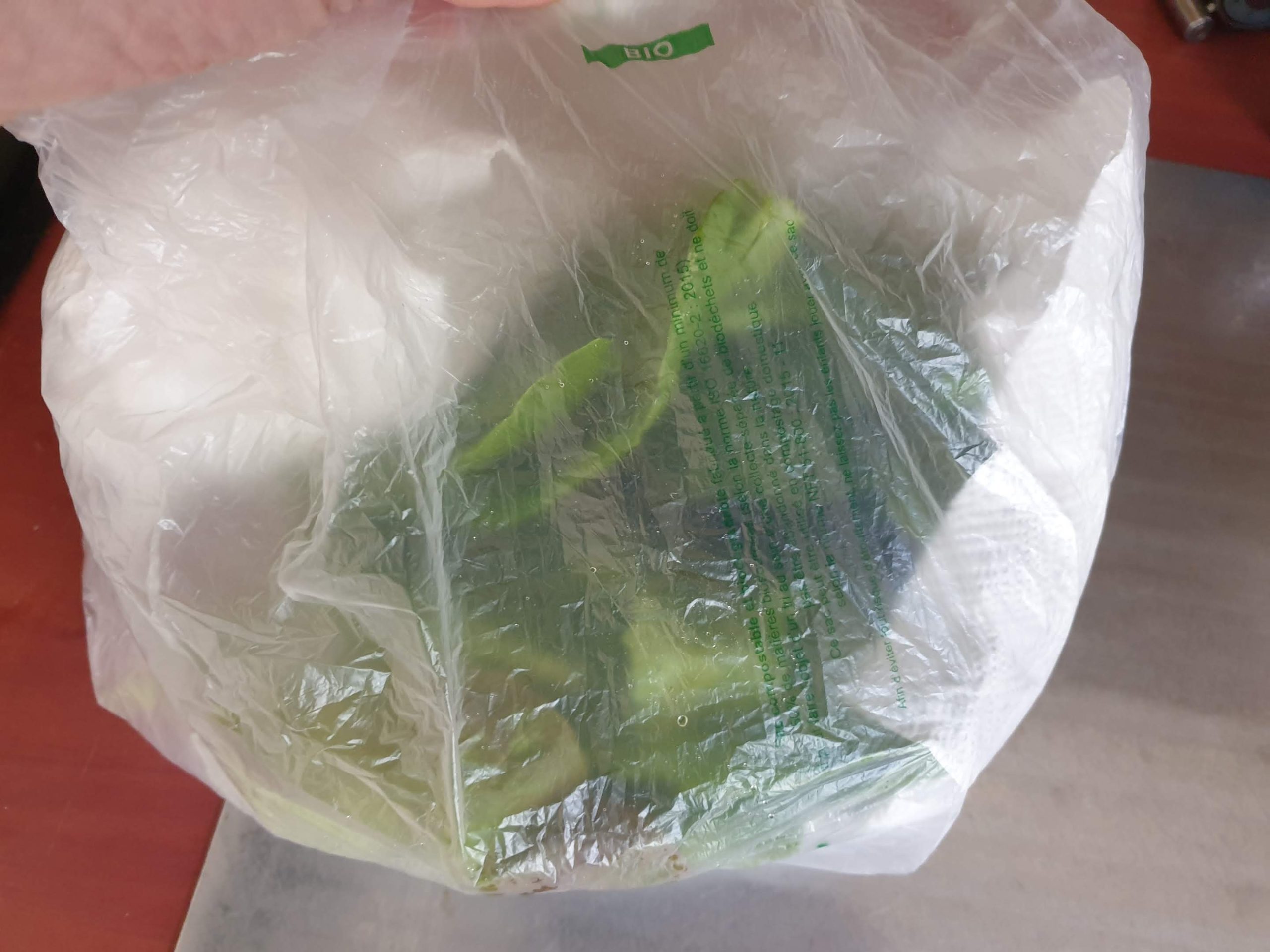
To store the lettuce leaves, place them in a plastic bag with some absorbent paper and store in the bottom compartment of your refrigerator at 4°C or 39°F.
Limp leaves can be revived by immersing them in ice water for a few minutes. If practical, do not cut or slice lettuce leaves in advance. Damaged or cut leaves release an ascorbique acid oxidase which destroys vitamin C.
Leaves should be thoroughly dry before adding any salad dressing otherwise the dressing will just sink to the bottom instead of coating the leaves.
Toss with your favourite dressing just before serving, lettuce leaves covered with dressing will quickly wilt and become soggy unless that’s your thing!
Due to an extremely high water content of 94.9%, there is no successful method of long-term home preservation for lettuce. Lettuce does not respond well to freezing, canning or drying.
But that isn’t a problem is it?
When you have your own container garden, you can harvest the freshest lettuce leaves whenever you want!
Up next – Lettuce Problems and Solutions