


Given good conditions for growth, lettuce is one of the easiest vegetables to cultivate. Also by using the pallet garden system, you should have little trouble with the gardener’s primary adversary: slugs and snails.
What you’ll learn 🧑🎓
Below are some simple measures for your lettuce problems.
Slugs and snails 🐌
As mentioned previously, slugs and snails can be a real challenge, they certainly are to the traditional ground based gardener.
It can be heartbreaking to sow and nurture plants only to have them wiped out overnight by these ravenous creatures. You plant your lettuce and the next morning you wonder if you planted anything at all!
Having plants in separate containers off the ground makes it more difficult for creatures to reach your tender lettuce plants. They can’t slither from plant to plant like they do in a traditional ground based garden.
The box structure supporting your fish box planters helps in creating a vertical barrier making it more difficult for creatures to operate and giving the gardener more time to take action such as looking under containers to remove and dispose of the offending creatures.
Snails have shells into which they can retract to prevent drying out and dying. They’ll retreat to a shaded spot out of the sun until the cool of the evening when they come out to feed, especially when it’s raining.
Slugs are snails without shells. With no protection in which they can shelter, they must either hide in a crevice, under a plant pot, in some vegetation or in the soil.
@rooftopveg Bringing Potted Plants Into Your Container Garden #rooftopgardening #containergarden #lettucegrowing #organicgardening #rooftopveg #springgarden #figtree #slugs
♬ Taste It – TELL YOUR STORY music by Ikson™
Be careful when you buy plants! You’ll often unwittingly introduce slugs in your container garden. Snails will make their home underneath plant pots and slugs will hide inside the pot.
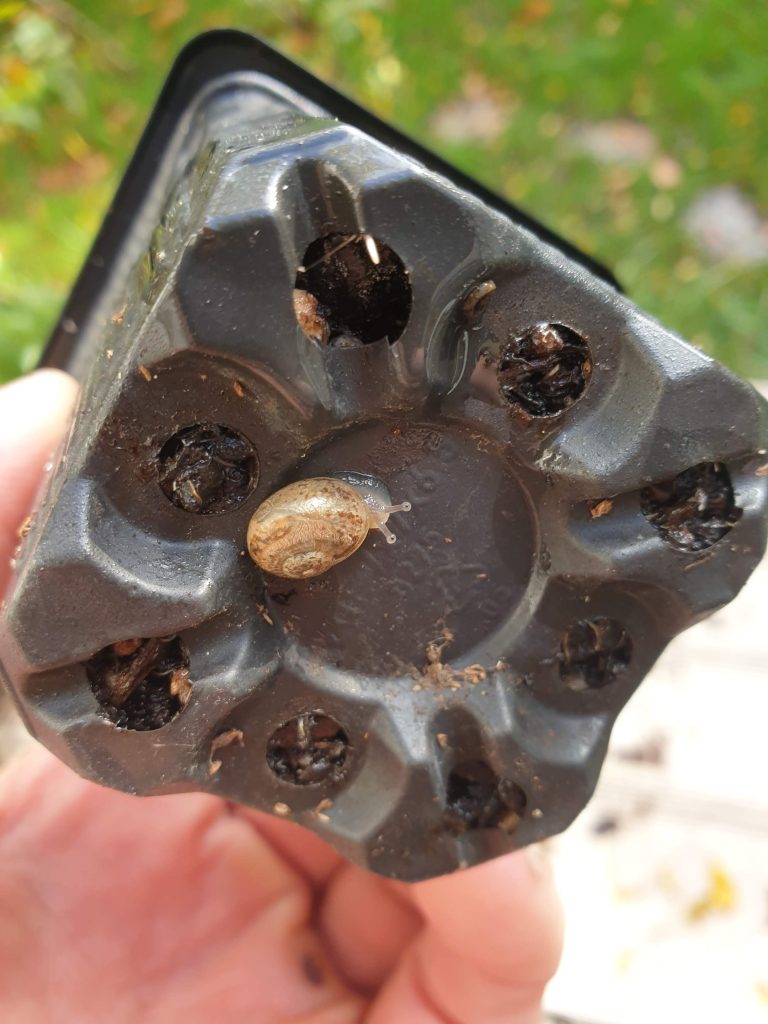
Many traditional gardeners will use all sorts of things to combat snails like poison, traps of all sorts, and ways of stopping them getting to their plants like using eggshells around their plants.
Poisoned slugs eaten by birds or other wildlife risk being poisoned too. I never use any sort of chemical product to eliminate nuisance creatures, just simple actions.
The secret to reducing their numbers and their range of action is through vigilance and making your garden inhospitable to them.
7 simple measures to avoid slugs and snails destroying your plants 🧾
- Keep your growing area tidy – don’t leave objects lying around or pots stacked on top of each other or against a wall or in a shaded corner.
- If you can avoid it, don’t position your plant containers too close to a wall where snails can hide.
- The easiest way to remove slugs from underneath your containers is to spray them with a jet of water from a garden hose or gently scrape them off with your trowel.
- Whenever you see a snail or slug remove them to somewhere else further away from your garden. Please do not kill them, they have a role to play by consuming decaying vegetable matter.
- If you’re finding your lettuce leaves are being eaten, equip yourself with a torch, a bucket and a trowel and go and inspect your garden after dark, especially on rainy evenings. Scoop up the critters with your trowel and dispose of them elsewhere like in the garden of that neighbour whose dog barks all day!
- An additional measure for newly planted young lettuce is to put a plastic bottle cut in half over each plant during the night. Be sure to remove it the next morning or your lettuce will get too hot.
- Your garden needs good air circulation around and underneath your containers. You need to avoid creating areas of cool and damp in which slugs will feel at home.
There is one good thing to know, in winter where normally it’s cold, snails hibernate until the warmer days of spring. Slugs however can be still active.
Diseases 🤒
On the whole, if you give your plants good growing conditions like good soil, water and sunlight. you’ll be rewarded with healthy and vigorous plants.
Like us humans, plants suffer from pollution, stress and poor nutrition. These things can make humans sick as well as plants.
Talking about disease, one of my pet peeves is thinking that if something is wrong then you just have to use some product to make it better.
If you plant a sun loving rosemary bush in waterlogged soil and in heavy shade, no chemical product will make it grow better or stop it from dying.
If you provide your plants with optimal growing conditions, you will have very few problems.
Avoid problems by following these 4 growing tips
- During the heat of summer or in high temperature regions, position your plants in partial shade especially in the afternoon when temperatures are hottest.
- Water your plants everyday on hot sunny days, less if the weather is overcast and cloudy. If you’re in any doubt, do a finger check first.
- In the colder periods of autumn, winter and early spring, position your plants to receive full sun if you can. You’ll notice the difference in growth.
- Amend your soil before planting with a top layer good compost and organic fertilisers or amendments. Most commercial potting soils have fertiliser included.
Below are some more common problems you are likely to encounter on your salad growing adventure.
Bolting🌻
Bolting is not a problem as such in that at the right time it’s a normal thing for the lettuce to do.
Make flowers and seeds and die!
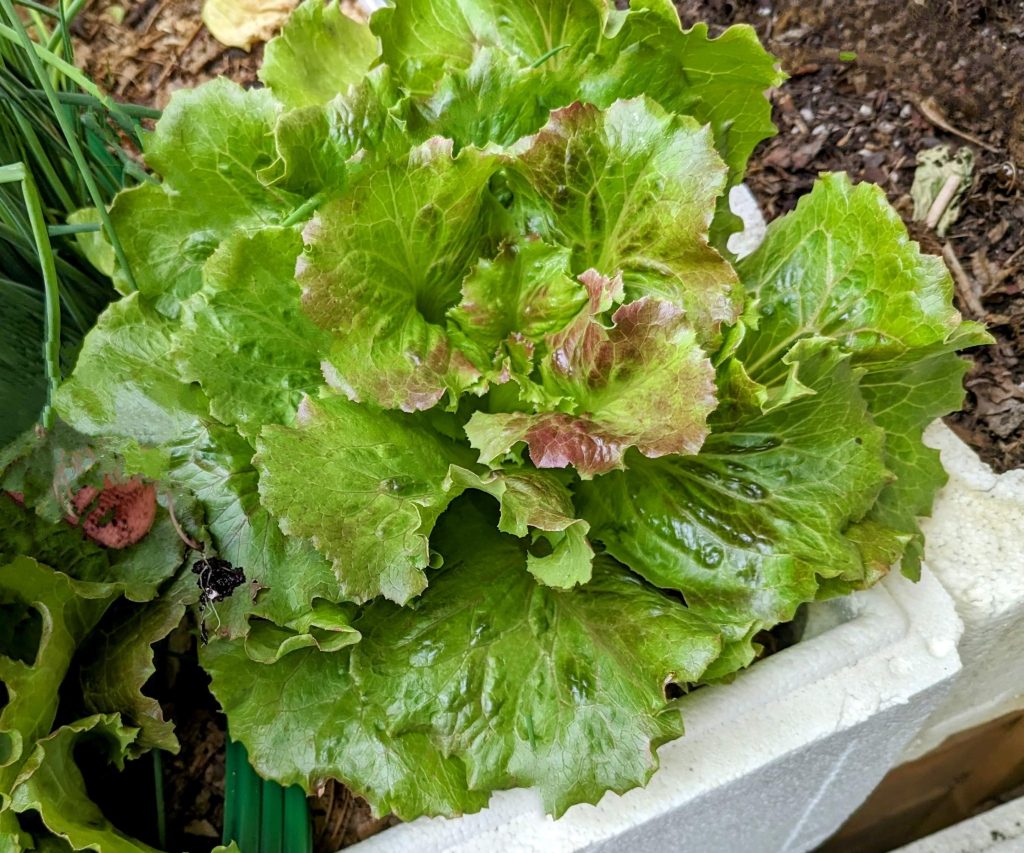
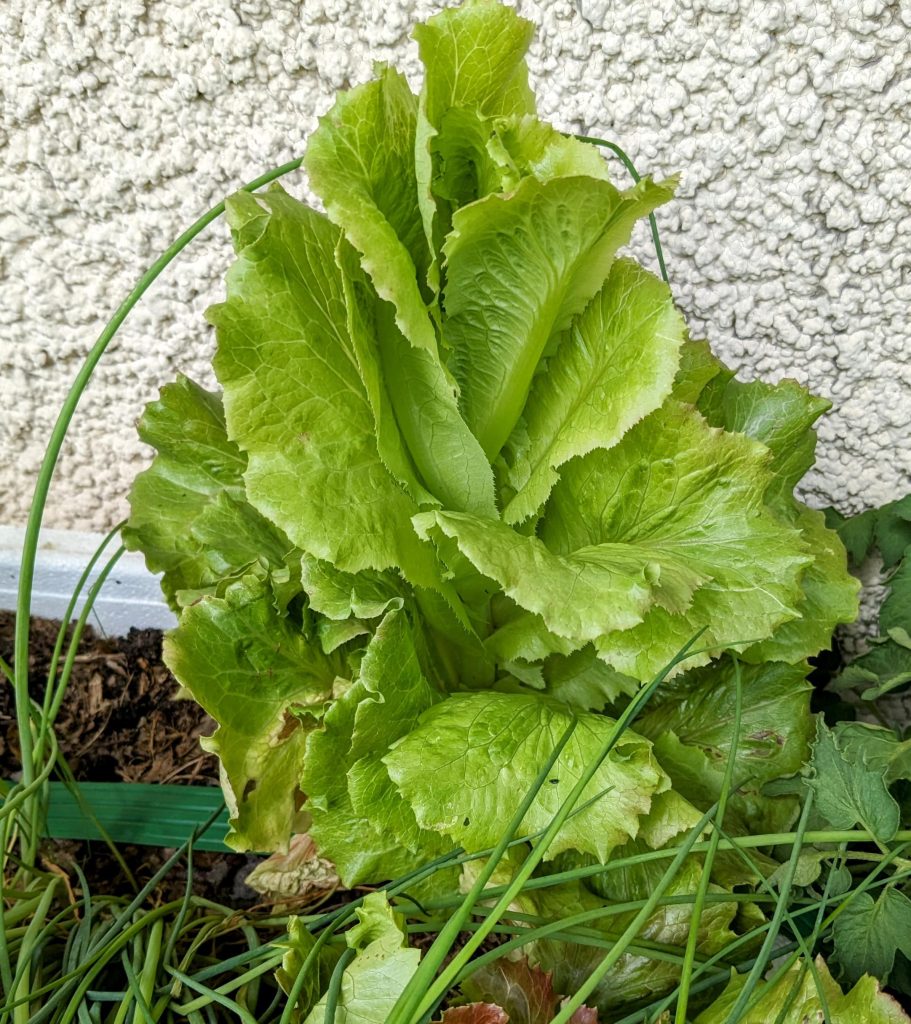
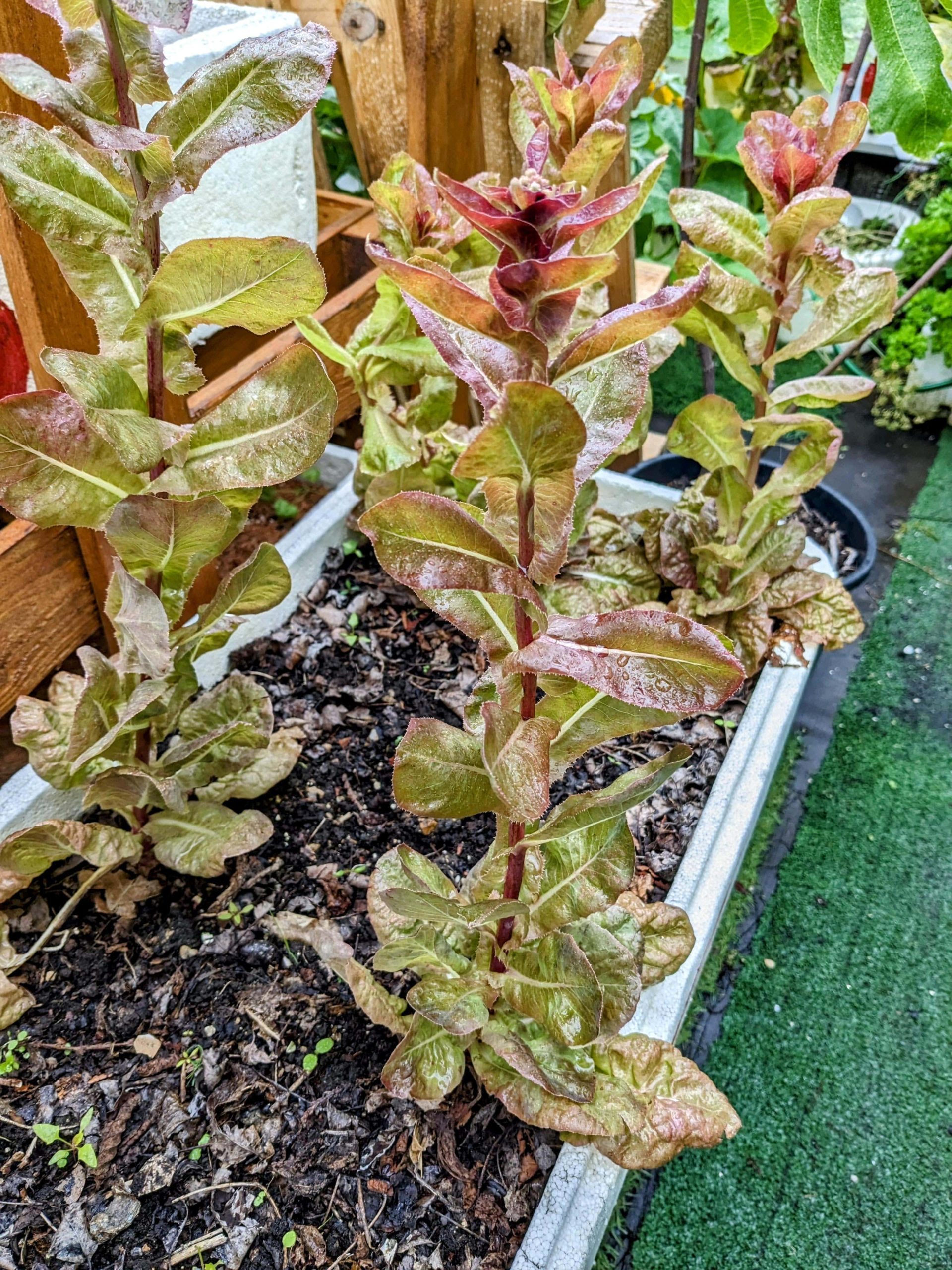

Bolting is likely to happen towards mid-summer but it will occur sooner because of long hot days and warm nights. Some varieties of lettuce are more resistant.
You’ll notice it when your lettuce suddenly starts getting taller and forming a pyramid shape, eventually growing a stalk with tiny flower buds at the end which will eventually produce flowers.
The leaves will start growing smaller losing their tenderness and becoming bitter to the taste as the plant concentrates it’s energy on growing the tall central flowering stem.
@rooftopveg Lettuce Revenge #rooftopveg #organicvegetable #growinglettuce #vegetablegarden #rooftopgardening #legumesurletoit #balconygarden#voiceeffects
♬ Funny Song – Funny Song Studio & Sounds Reel
A temporary solution is to cut the plant at the base and while it will grow back, the leaves will never be as large as they were.
For better results, plant anew or sow new plants from seeds
When you dig up the old plant, remove as much soil from the roots as possible leaving the soil where it is. This will ensure any nutrients and beneficial fungi remain in the soil.
If you are growing lettuce and waiting for it to mature into hearts you will be disappointed if bolting happens.
Better to pick lettuce leaves instead and enjoy eating them everyday.
On the other hand, if you want free seeds for the next round of sowing, select the best looking lettuce and collect the seeds when the seed pods are thoroughly dry.
Poor Growth 🤕
Sometimes for an unknown reason, lettuce will grow slowly for weeks on end and then suddenly take off.
You might get slow or mediocre growth if your plants are either spaced too closely together or grow in a shallow container.
Lettuce grows well if it’s not crowded, let it leaf out and grow steadily and quickly for best flavour.
Sunburn 😎

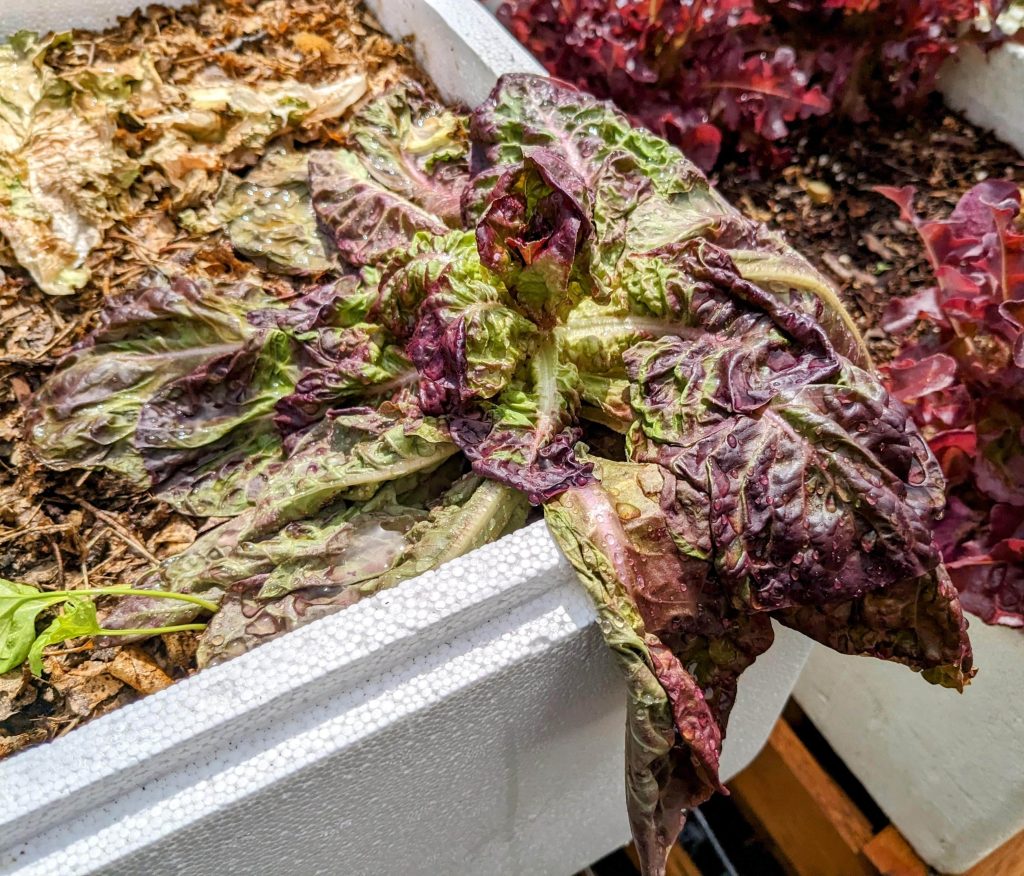
Lettuce in the heat of the summer sun, especially in the afternoon, can get sunburn. You will see this by wilting and discoloured leaves with the leaf tips turning brown looking burned.
@rooftopveg Can Lettuce Get Sunburn? #growinglettuce #containergarden #rooftopveg #vegetablegarden #vegetablegarden #containergardening
♬ Summer day – TimTaj
Move your containers if you can to where they get just morning sunlight or provide some sort of shade with a sheet or place the lettuce in the shade of taller plants.
Give your plants a good soaking and they should recover in the cool of the evening.
Wilting 🥴
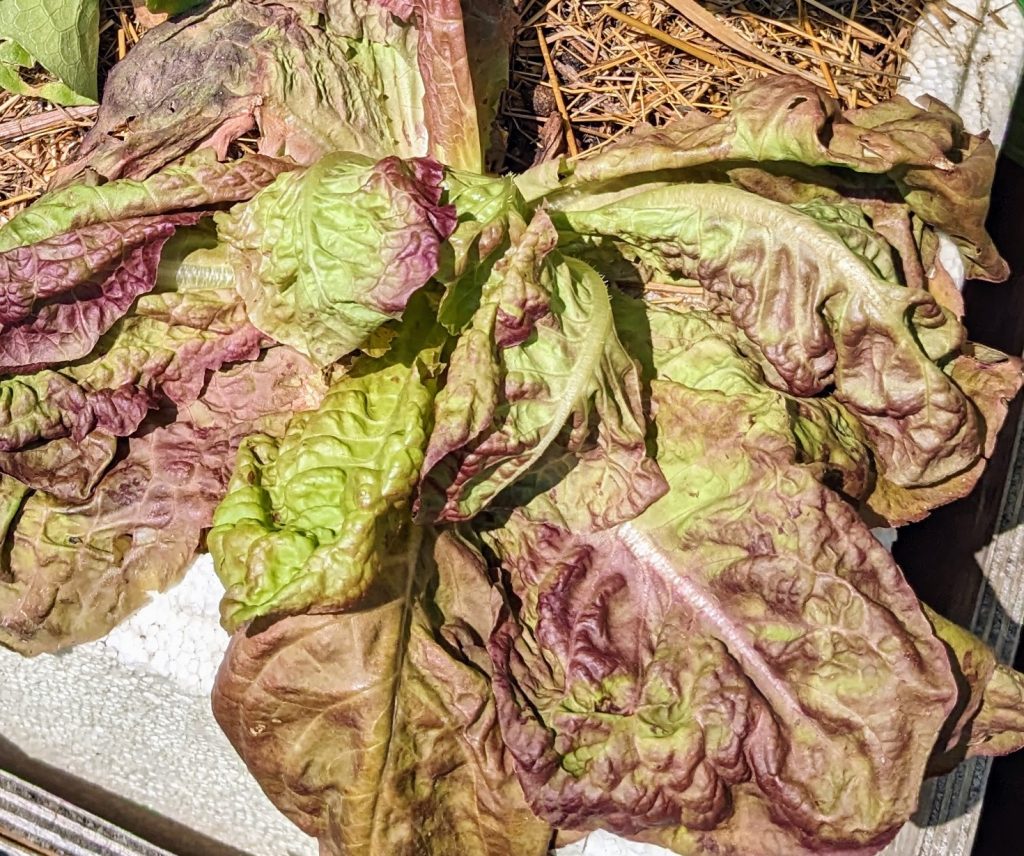
On a hot day, you will probably see your lettuce leaves wilting or drooping.
Check the humidity of the soil with your finger. If the soil feels dry, carefully water around the plants and they should recover.
If the soil feels cool and moist then provide some shade with a screen or move the container to a shady location. The plants should recover in the cool of the evening.
Yellow leaves 🤢
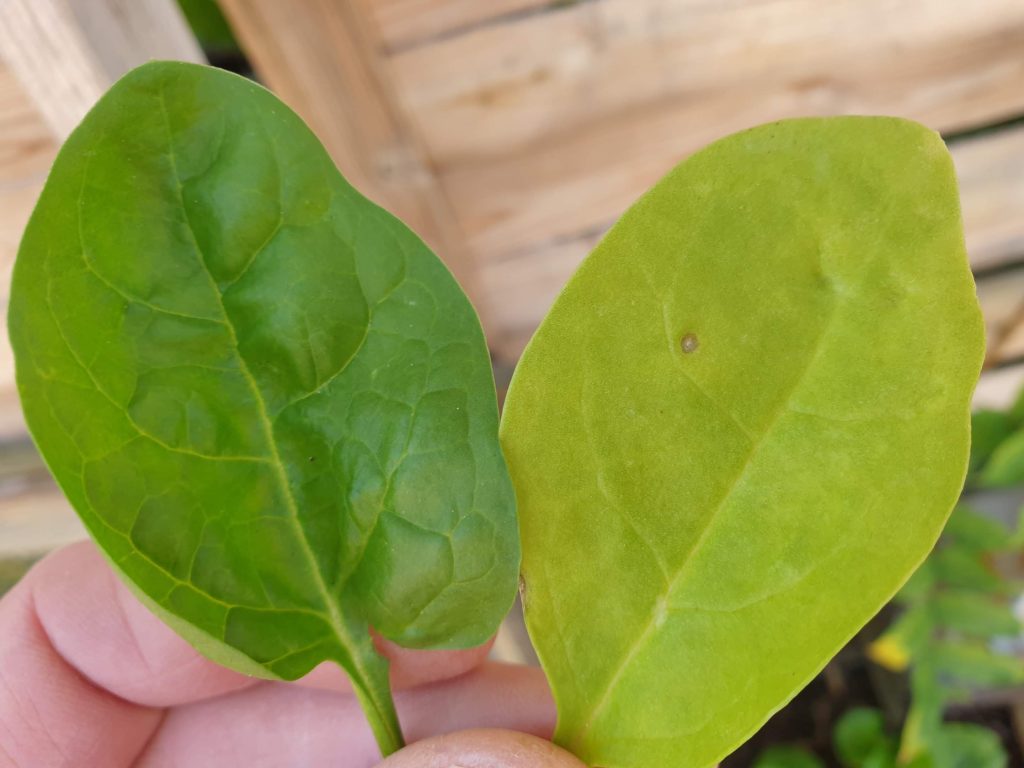
This might indicate a nitrogen deficiency.
Apply organic fertiliser following the instructions on the bottle or use your own diluted urine. After a week or two the leaves should return to a normal vibrant green colour.
Leaf Miner 🐛
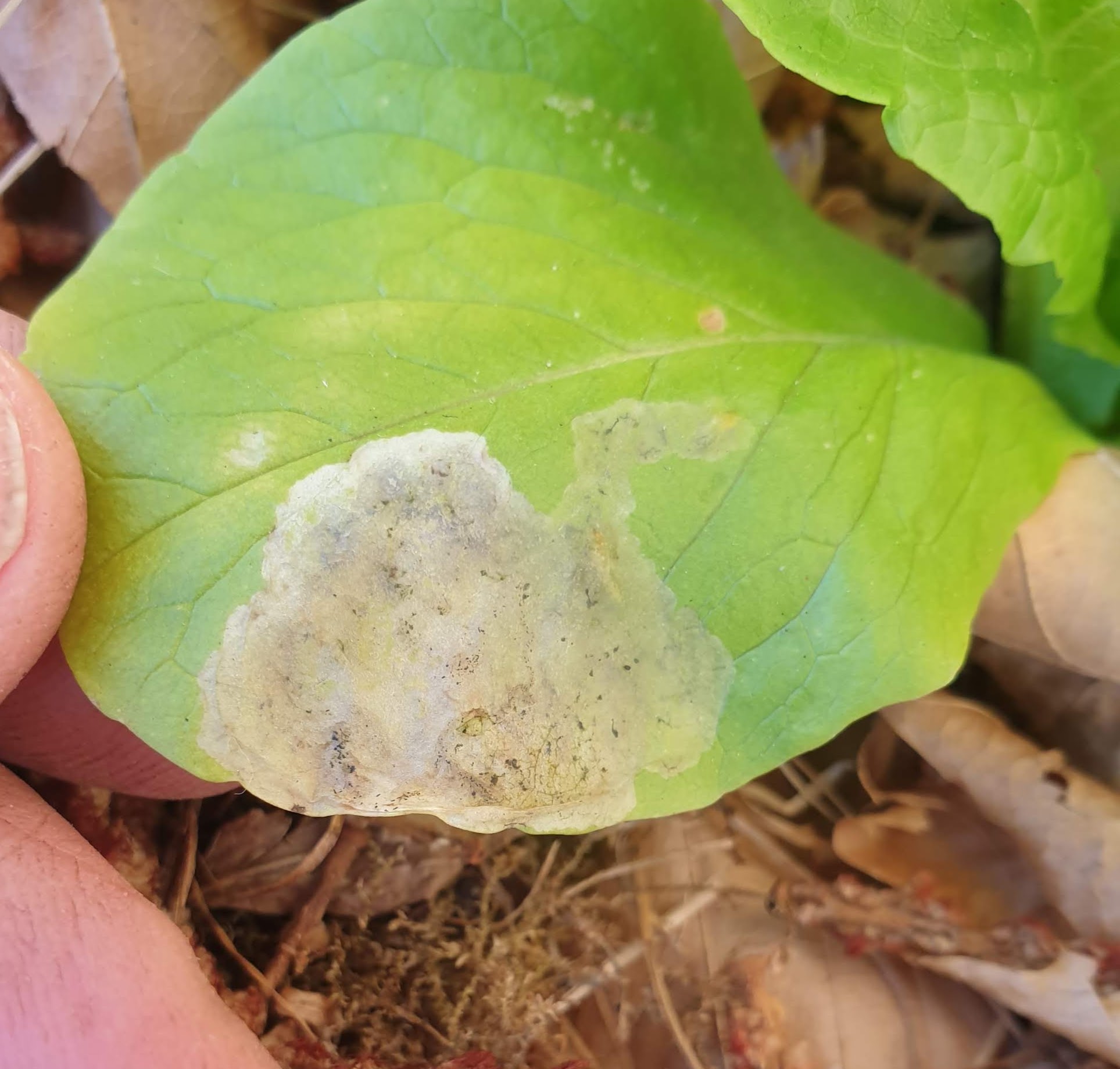
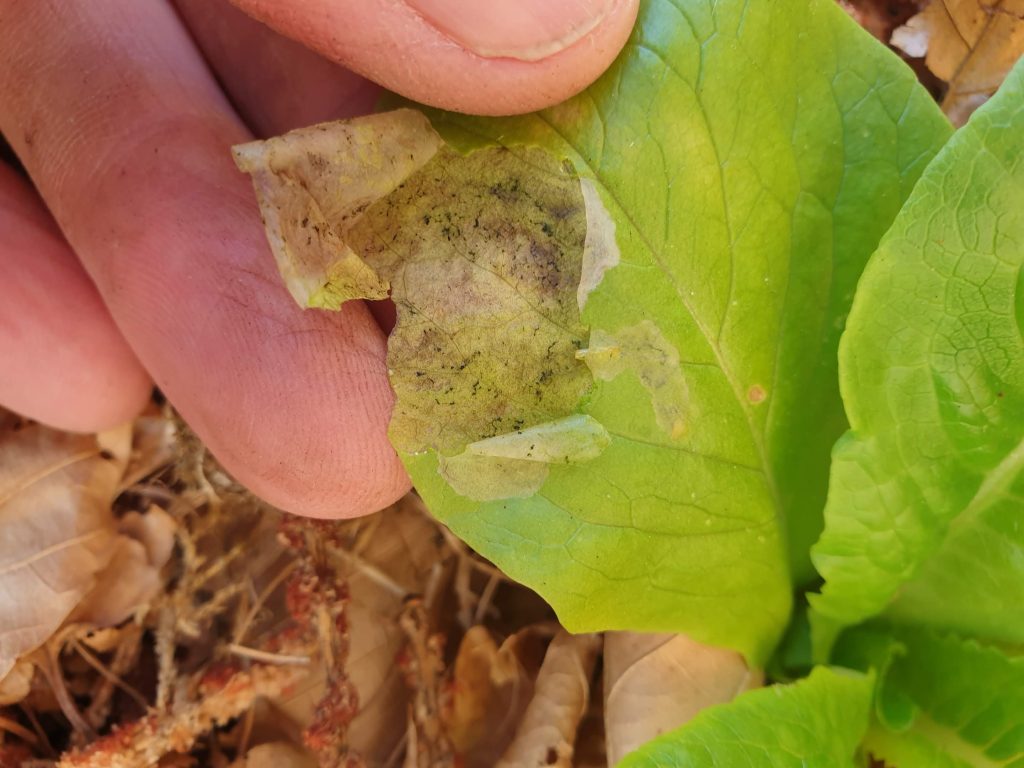

If you notice pale yellow or brown blotches on the leaves, look closely and you’ll see that the leaf has become hollow. The inside of the leaf has been eaten away leaving a thin membrane which you can pull apart with your fingers and inside, is a larva.
This is the larva of the leaf miner, a tiny greyish black fly about 2 mm long. The larvae or grubs feed inside the leaves causing the loss of healthy leaf tissue.
All I do is snip off the affected area of the leaf with a pair of scissors and dispose of the leaf in my compost bin. As long as you remove the damaged leaves, the lettuce will recover and grow just fine.
If you provide the best possible growing conditions, lettuce is really an easy and trouble free plant to grow!
Up next – Does Lettuce Grow in Winter?