

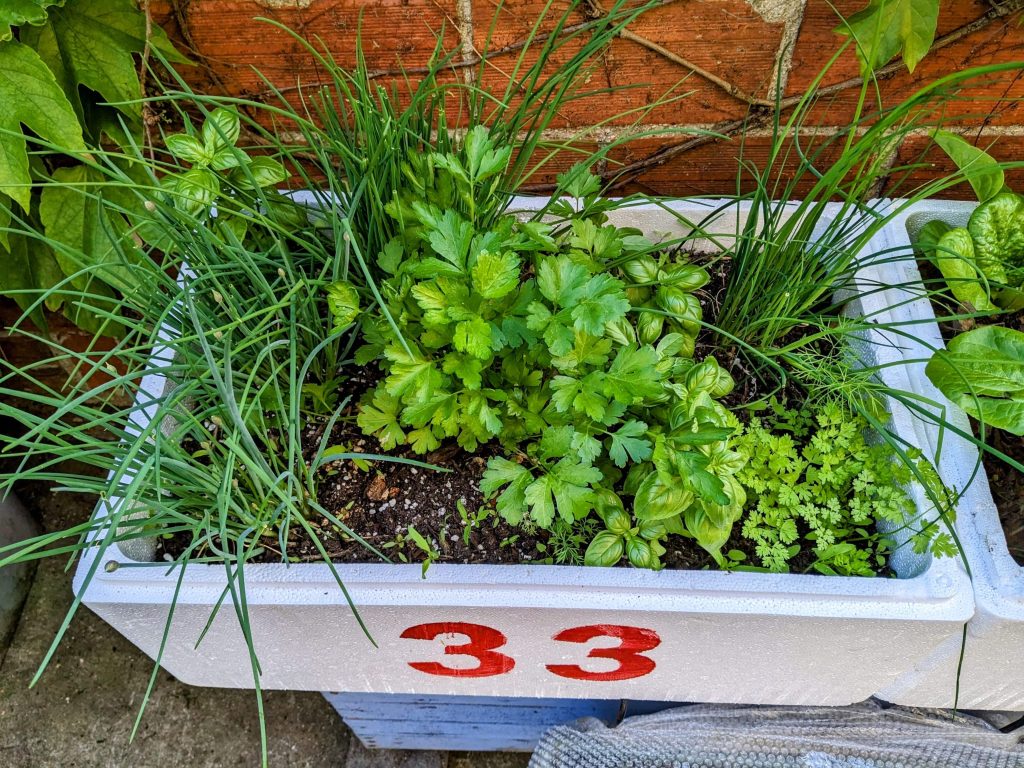
Would you like a box of herbs, – Chives, Basil, Parsley or Dill?
Maybe I could sell them?
Unfortunately, I can’t make personal deliveries of salad and herb boxes, but I can do my best to show you how you can make one.
The best way to go about it is to buy potted herbs from your local supermarket and replant them in bigger pots or containers giving them plenty of space to develop fully.
You can mix different herb varieties together like Basil, Chives and Parsley but just give them enough space to grow.
A common beginner mistake is to position small plants too close together, because the space between them looks too big otherwise.
Try to imagine how your plants will look when they have doubled or tripled in size like the ones below.
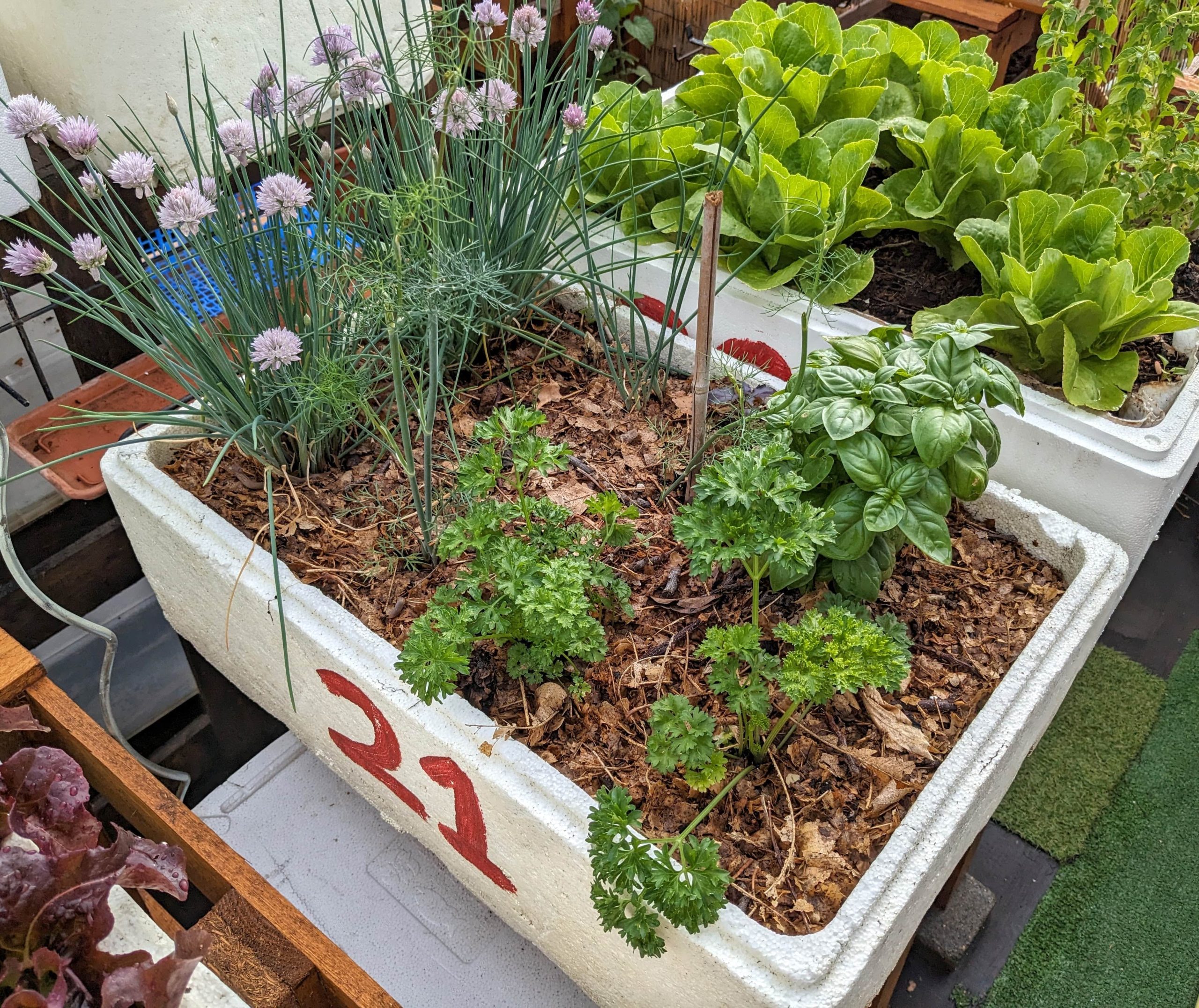
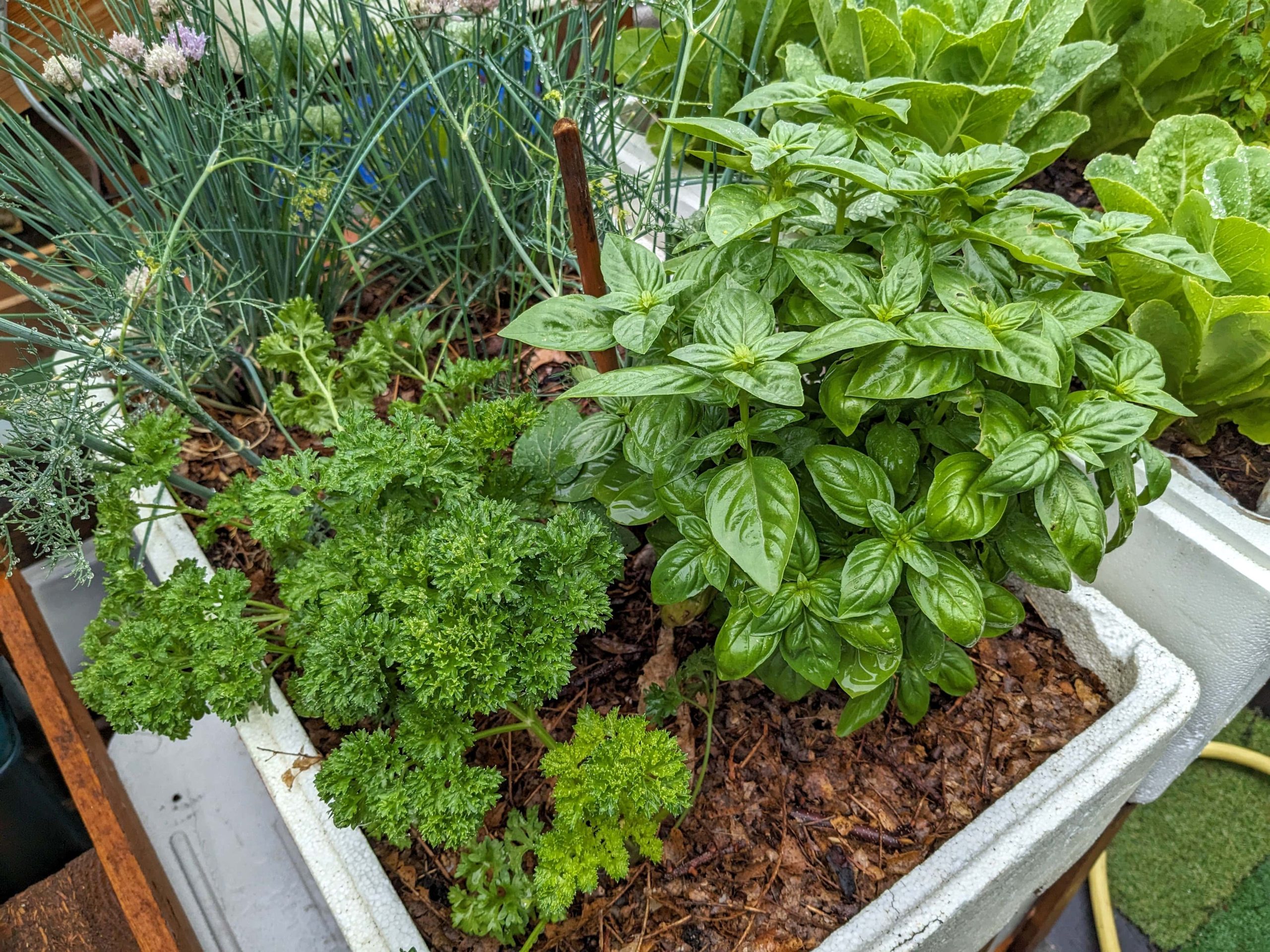
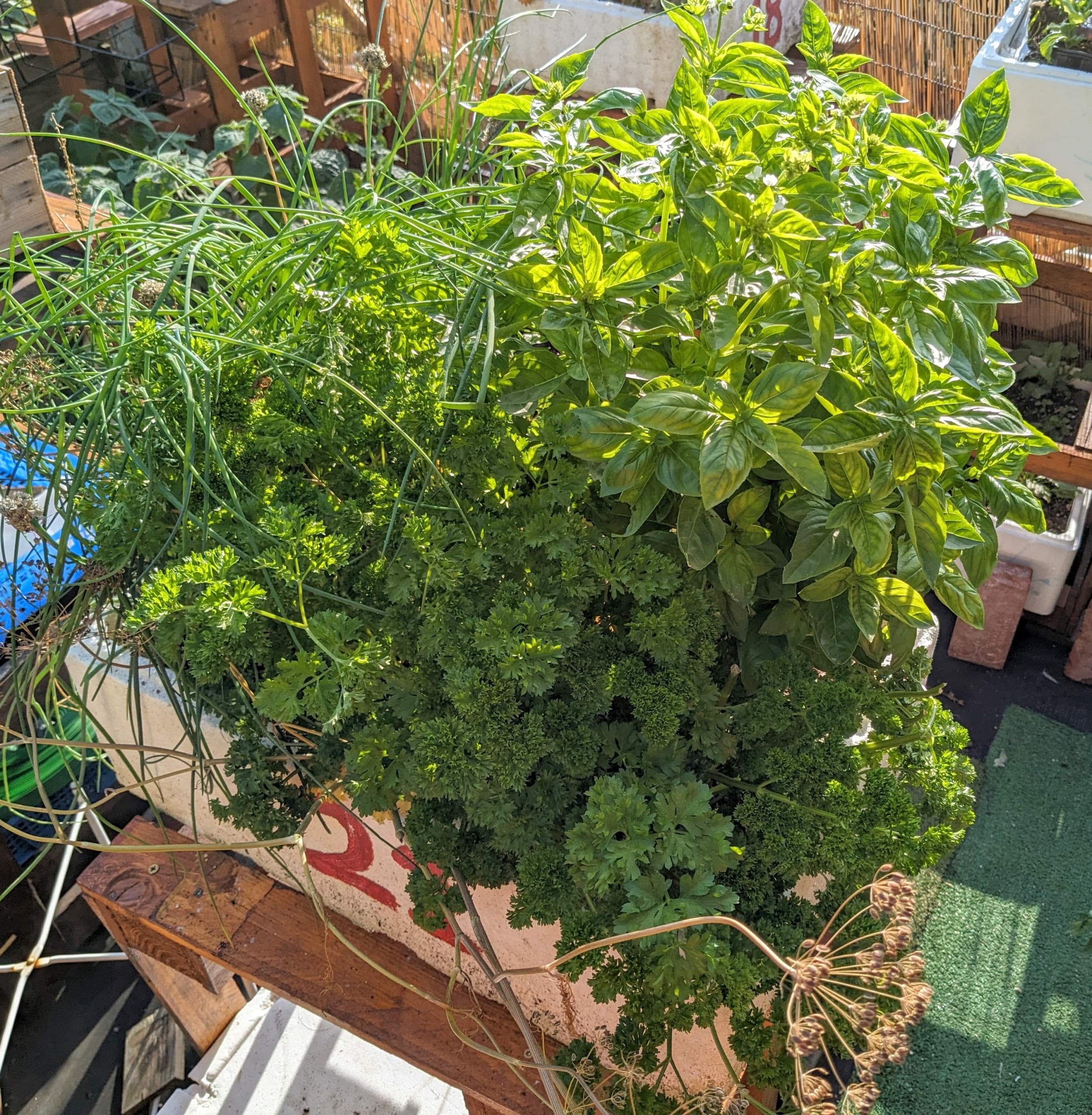
Herbs can make a fantastic addition to your salad garden and certain varieties will either grow all round or reseed themselves without any intervention.
Here is a small selection of my favourite indispensable herbs that I use in my kitchen and the best part? They are always fresh!
Chives
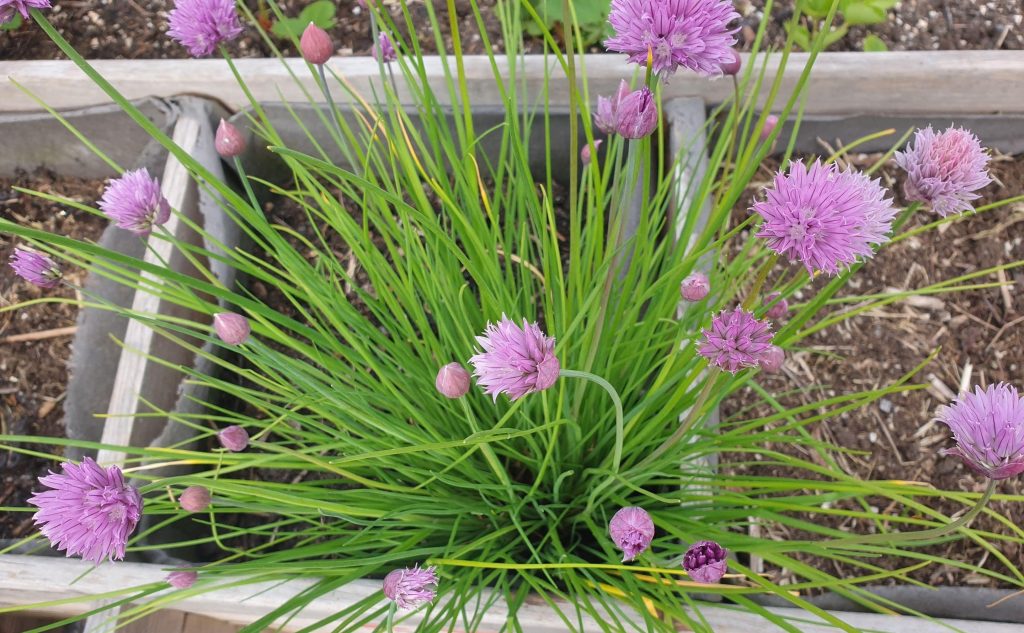
Chives is a Perennial which means that the plant dies down at the end of autumn or fall and grows back in spring.
Once you have Chives in your garden, you can get more plants by division. In winter after the plant has completely died down and is dormant, you dig up the plant and cut it into two pieces and replant the separate parts.
Do not dig up the plant when it’s growing, it won’t like it and will sulk and grow poorly for years.
Chives are harvested by cutting a bunch of stems at the base with a pair of scissors or a knife. Use them chopped up in omelettes and salads.
In spring, Chives produce long stalks with the lovely purple edible flowers in the shape of pom-poms. You can eat the flowers as a garnish in your salad.
My advice is to buy plants instead of sowing from seeds in the first year and save some time.
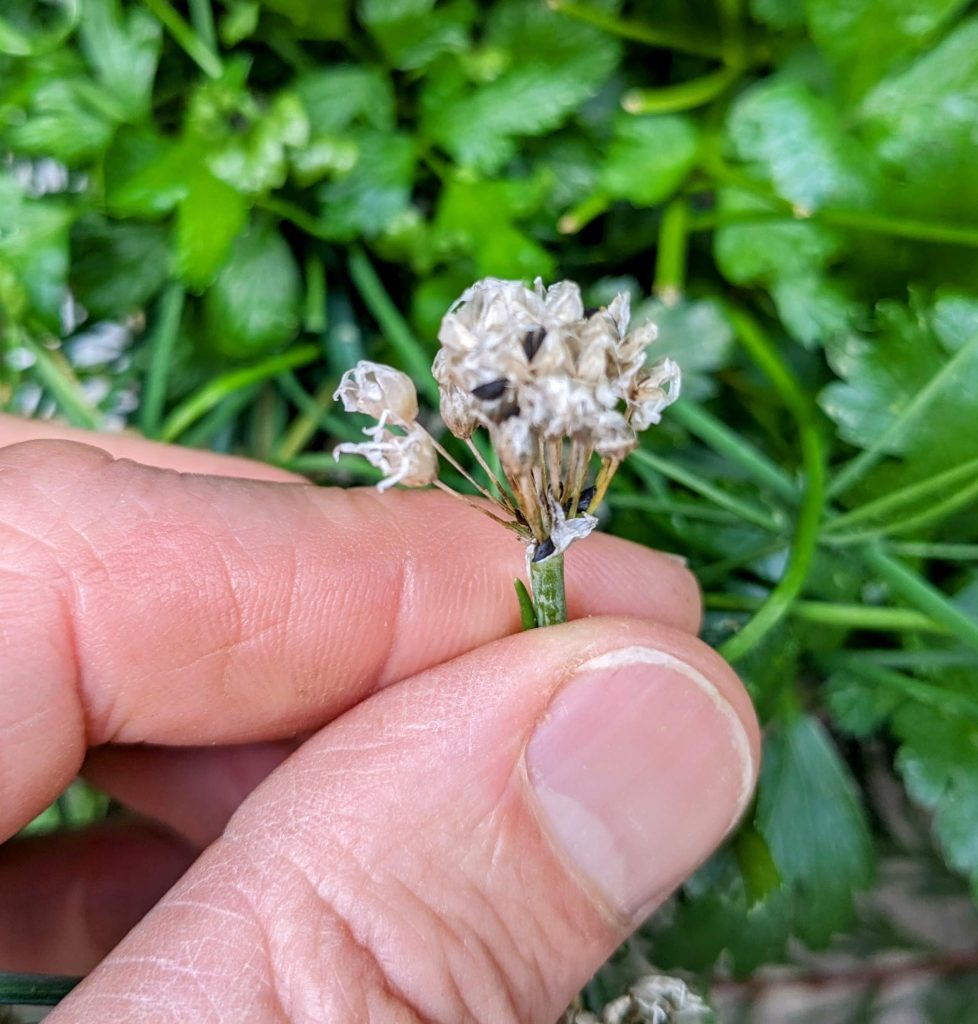
During the first summer, let the flowers dry on the stem. When the pretty purple flowers fade to a pale brown, you can break up the flowers by rubbing them with your fingers over where you want new plants to grow.
Alternatively, you can store the seeds in a dry cool place over winter and sow your own plants the following spring.
As with any seeds, you must wait until the flowers have completely died off and are thoroughly dry before collecting seeds.
Problems
To maintain Chives in good condition, you must harvest regularly. If you don’t, the stalks will become overly long and droopy.
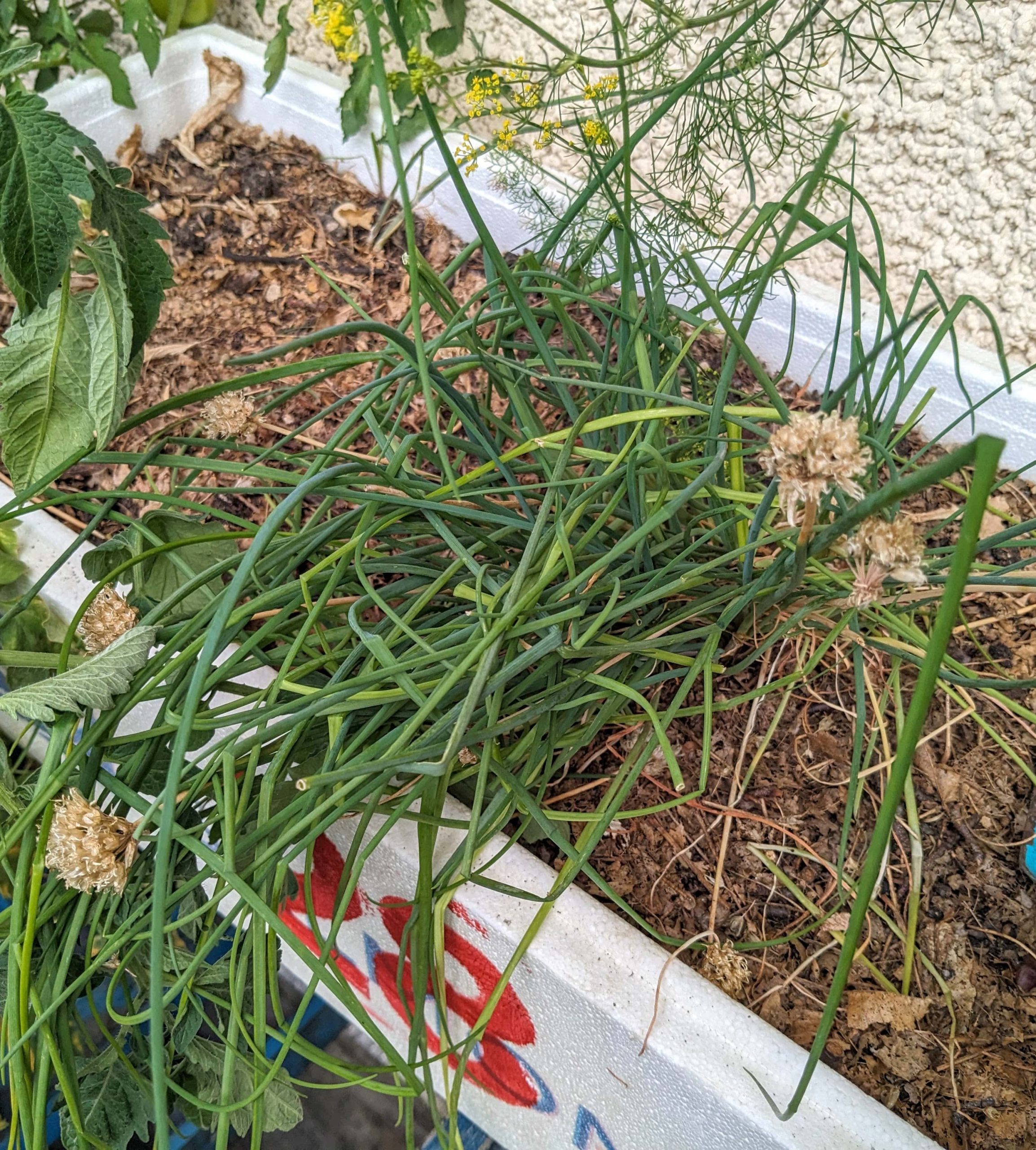
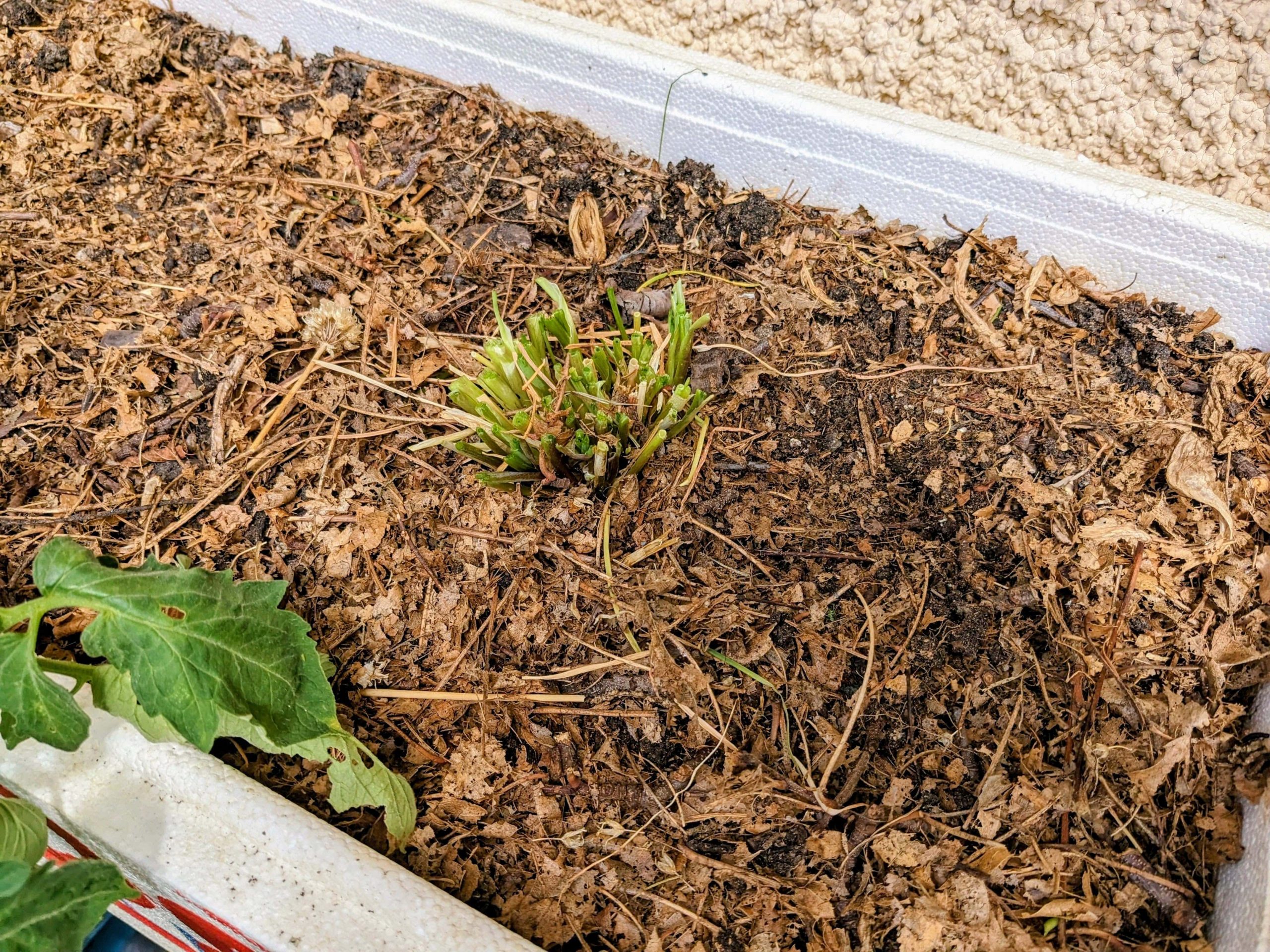
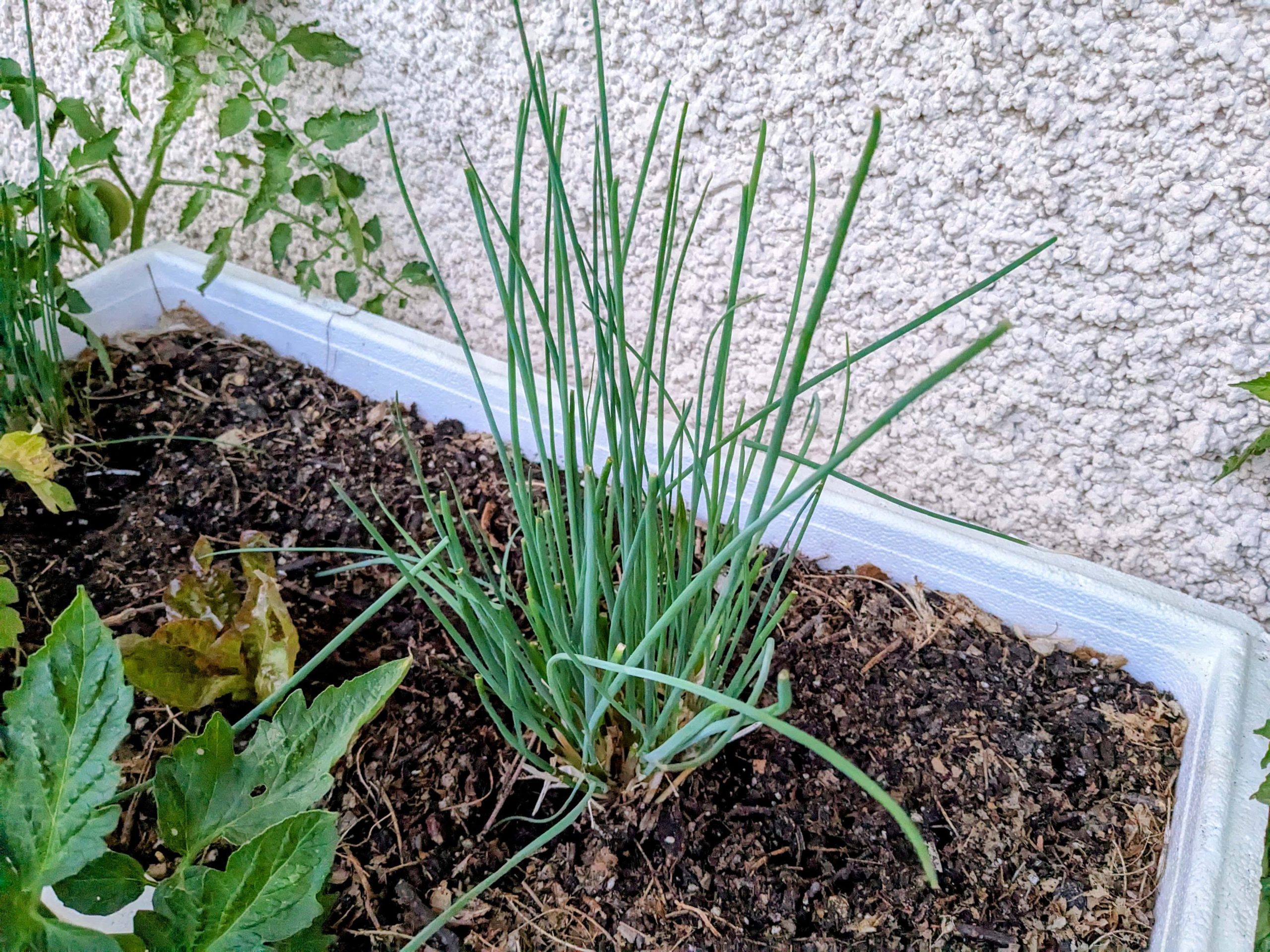
You can remedy this by cutting the plant to ground level and it will grow back within about 2 weeks.
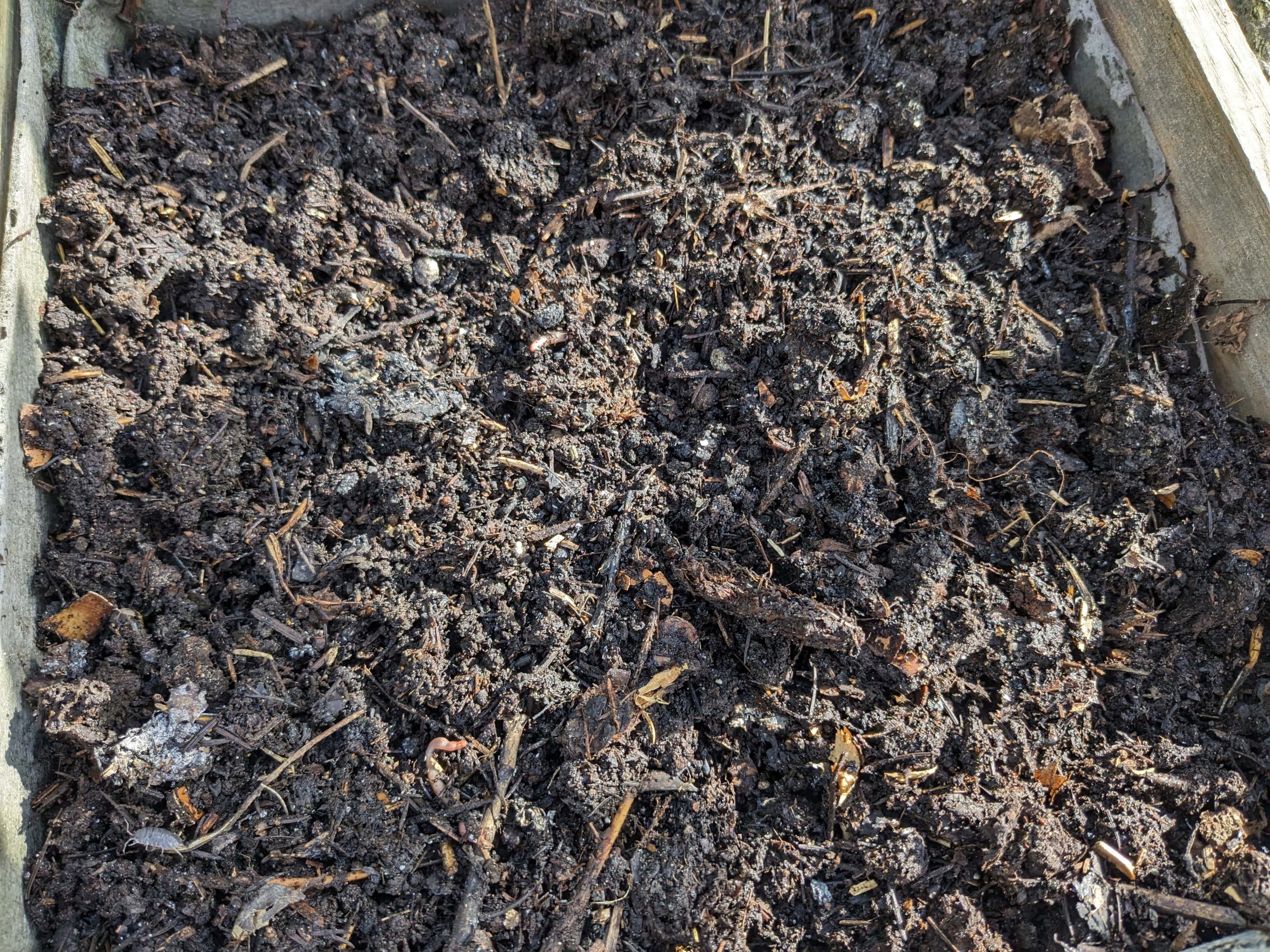
When you “hard” prune chives or any herb like mint to ground level, add a fresh layer of compost, composted manure or other slow release organic fertiliser to provide nourishment to support new growth.
Basil
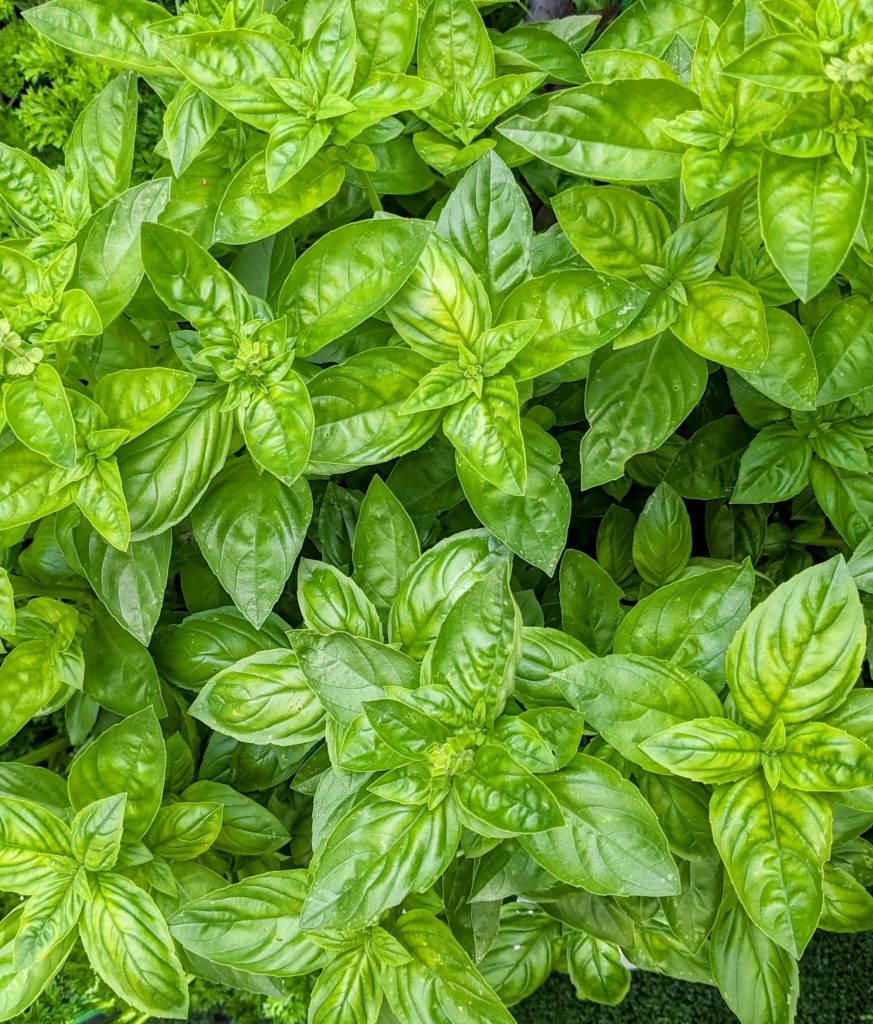
Basil is the essential ingredient to add some pungent zest to your summer salads especially when you have lots of ripe home grown tomatoes too!
An annual, Basil only grows for one season before it goes to flower and dies.
Annual herbs like Basil are sown in spring and grow well until light levels begin to fade in late summer and the cold nights of early autumn approach.
Buy plants or sow Basil in April or May and be careful not to over water young seedlings especially in dull weather.
When you buy a pot of Basil it’s usually multiple plants growing together. If you want your Basil plants to thrive, you need to separate the plants and replant them in bigger pots or containers the stems several cm apart.
You do this by gently prising apart the stems keeping the root-balls attached. This will give each plant more space to grow bigger leaves.
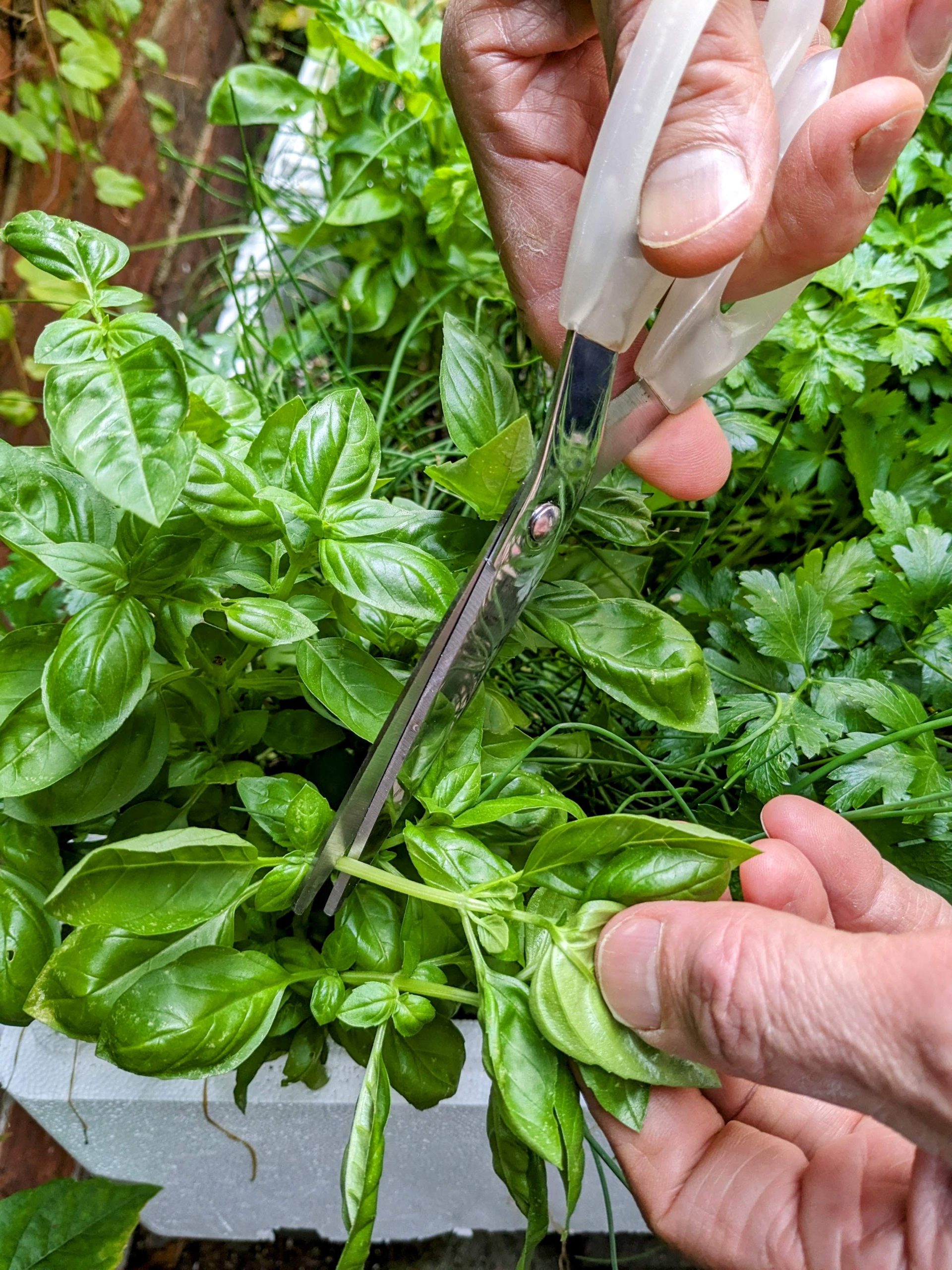
Plant Basil in full sun or part shade and pick the lower leaves as needed. You make a bushier plant by snipping off a section of stalk down to a set of two leaves.
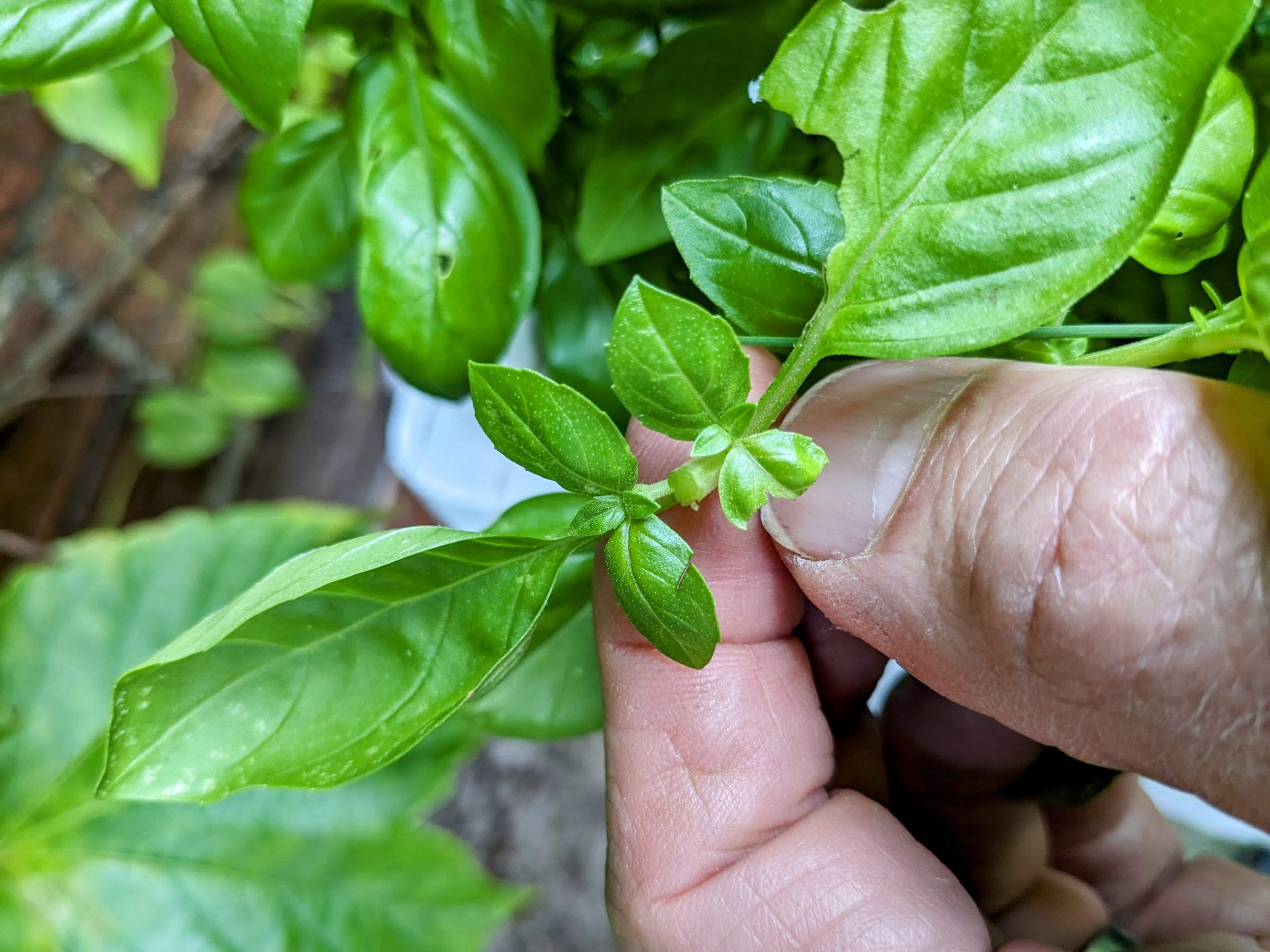
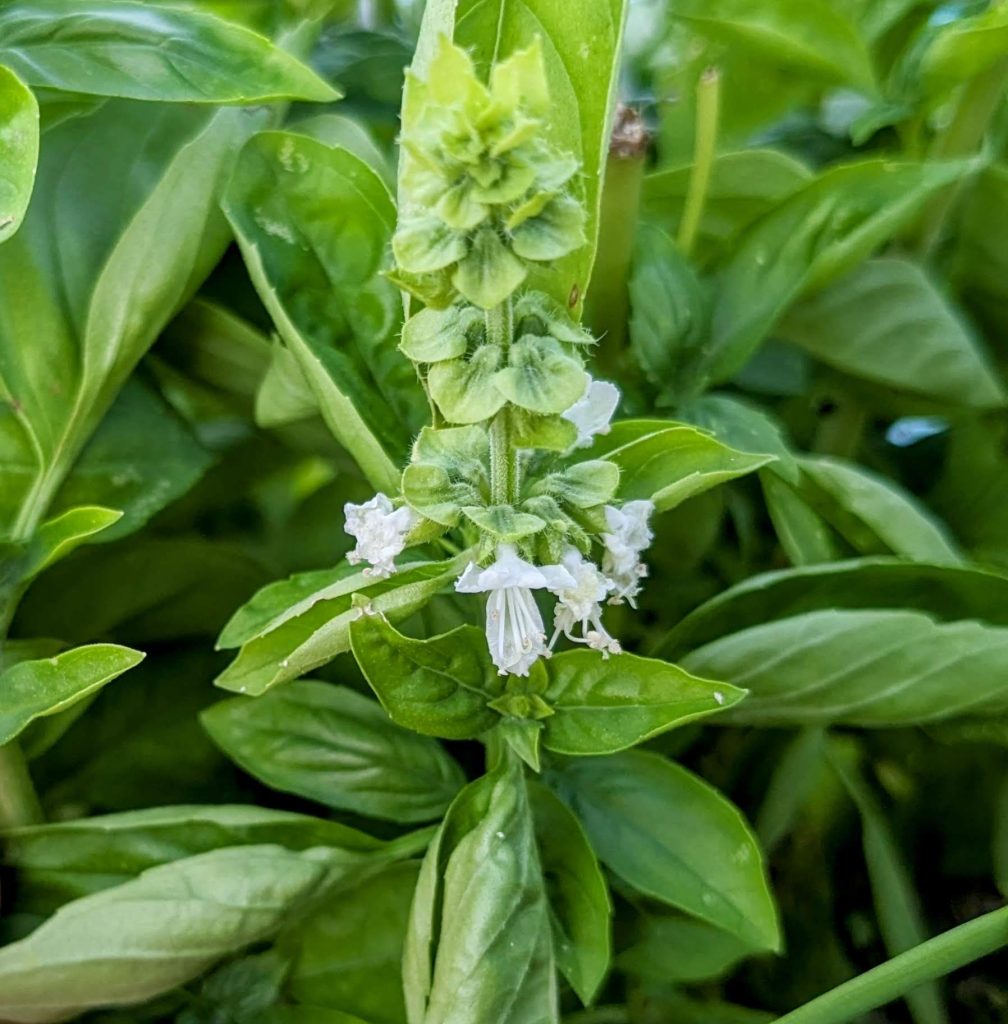
As soon as flower heads appear, cut them off otherwise the plant will slow production of those pungent smelling leaves.
Chop basil leaves finely in salads or make pesto sauce for your spaghetti.
Dill
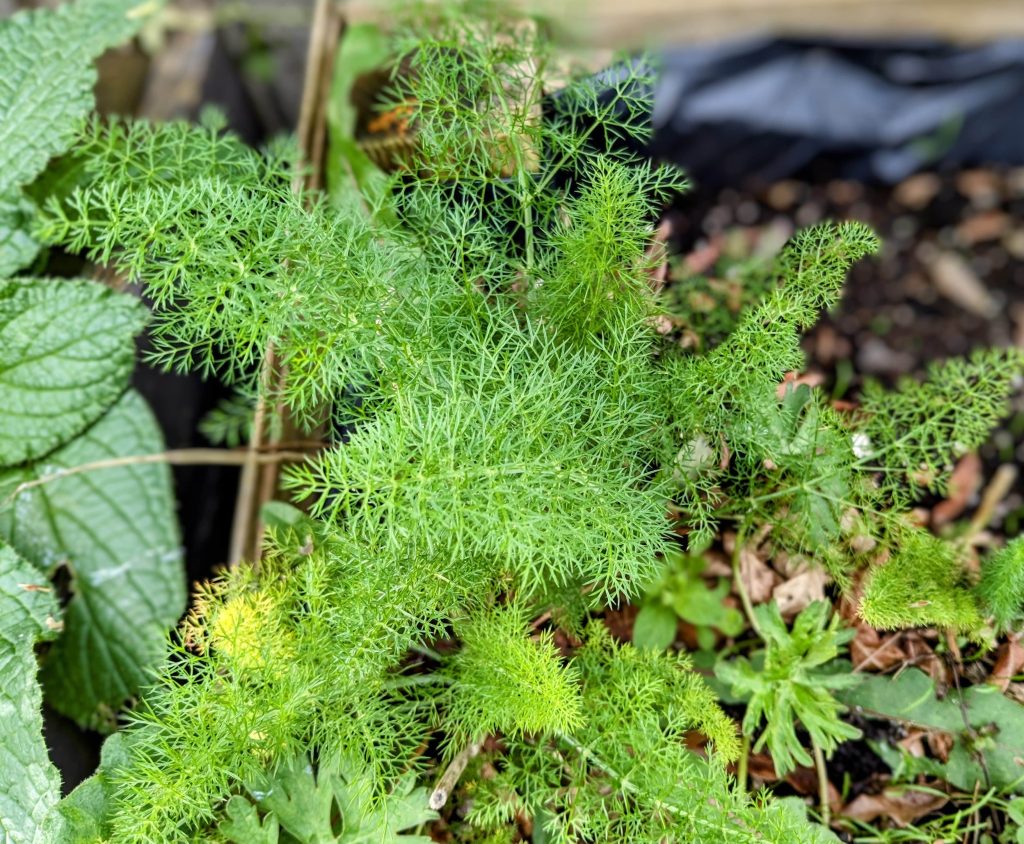
A favourite dish of mine is pasta with a cream salmon sauce. The salmon is cut into small pieces and lightly cooked in a cream sauce enhanced with a sprinkling of fresh dill from my rooftop garden.
The season for dill is from spring until the frosts arrive in winter, but you can enjoy it all through winter if you can protect your plants from freezing.
Dill has long spindly stems and the leaves are fine, feathery and fragrant. They have a wonderfully sweet and refreshing taste good for flavouring soups and salads.
Sow dill between March and July and also in September and space plants 15 x 15 cm apart.
If you let the plants go to seed, you will find dill plants springing up spontaneously here and there in your containers. Not a bad thing!
Parsley
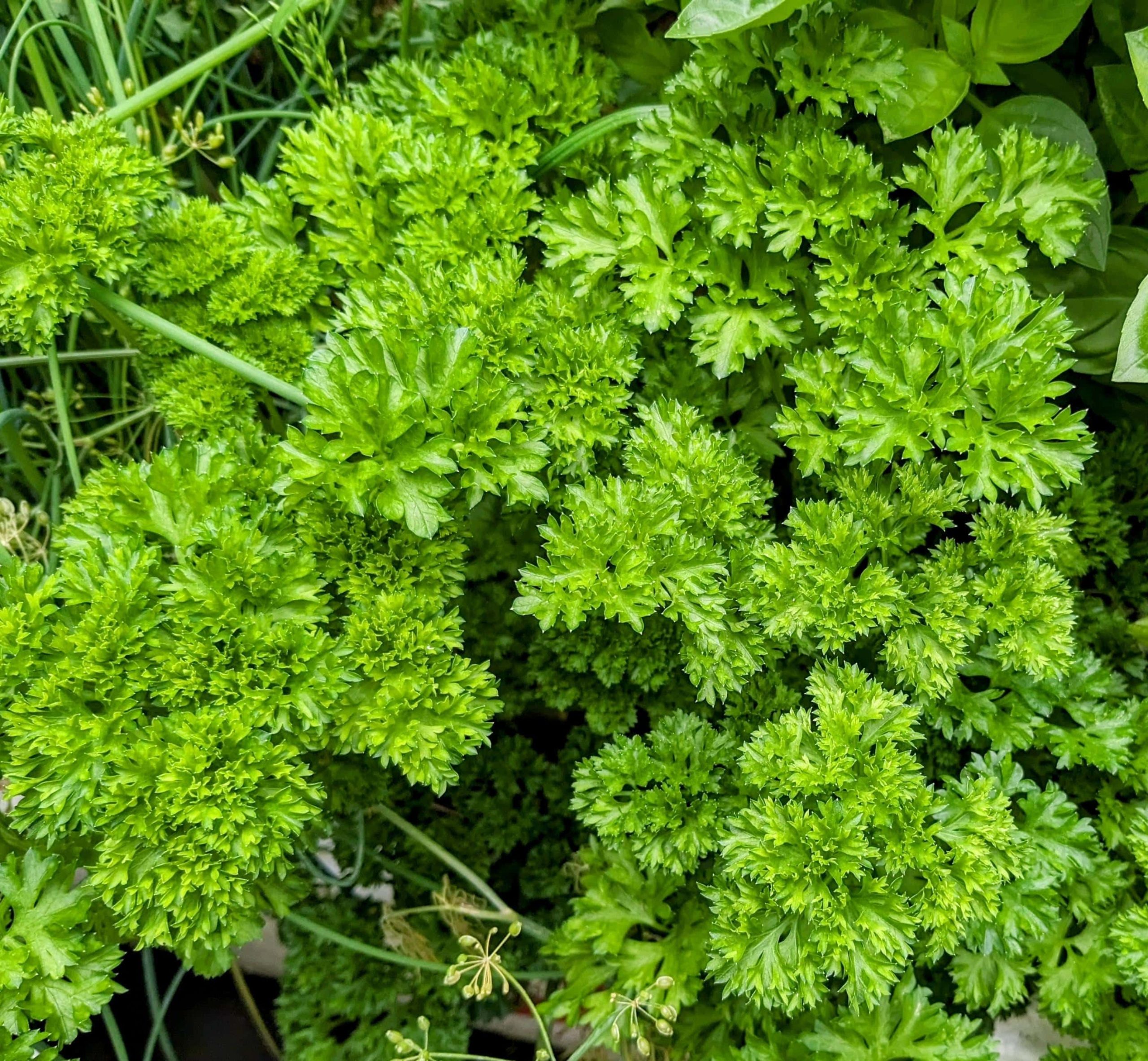
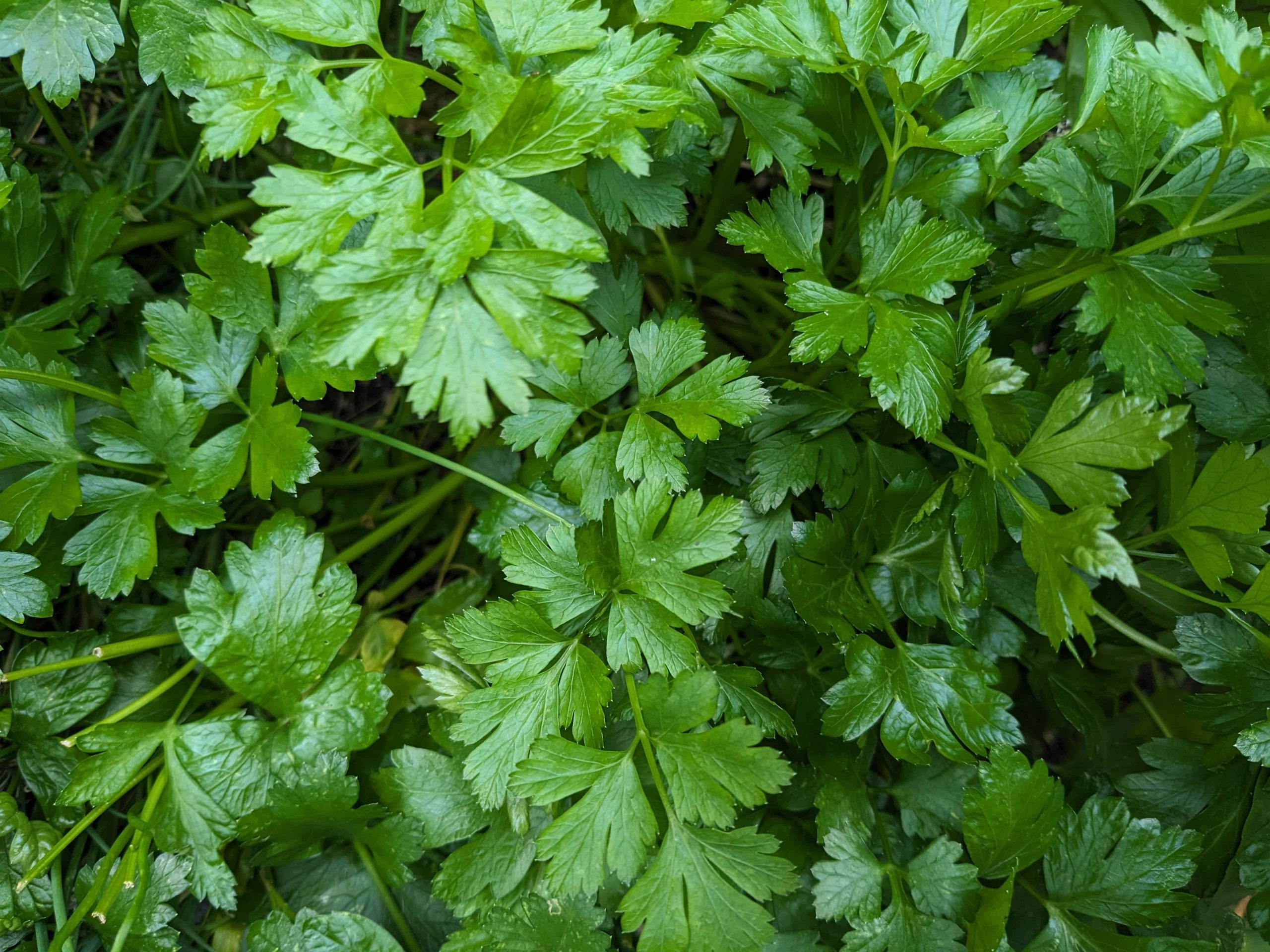
Talking about sauces, when I lived at home as a teenager, my mother would often serve me cod in a creamy and buttery parsley sauce, delicious!
Parsley, rich in vitamin C, can live a long time especially if you pick the lower leaves and grow in a large enough pot to feed the continuously growing roots.
I prefer the curly type of parsley, it’s what I grew up with but there are flat varieties of parsley too.
Parsley is slow to germinate and slow to develop, pick whole stems cut from the edge to encourage new growth and avoid unattractive yellowing leaves.
Sow parsley in early spring from March to July for vitamin rich leaves all summer long.
Space the plants 15 x 15 cm apart and provide regular moisture. Parsley prefers growing in part shade rather than full sun. Morning sun is better than hot and burning afternoon sun.
Mint
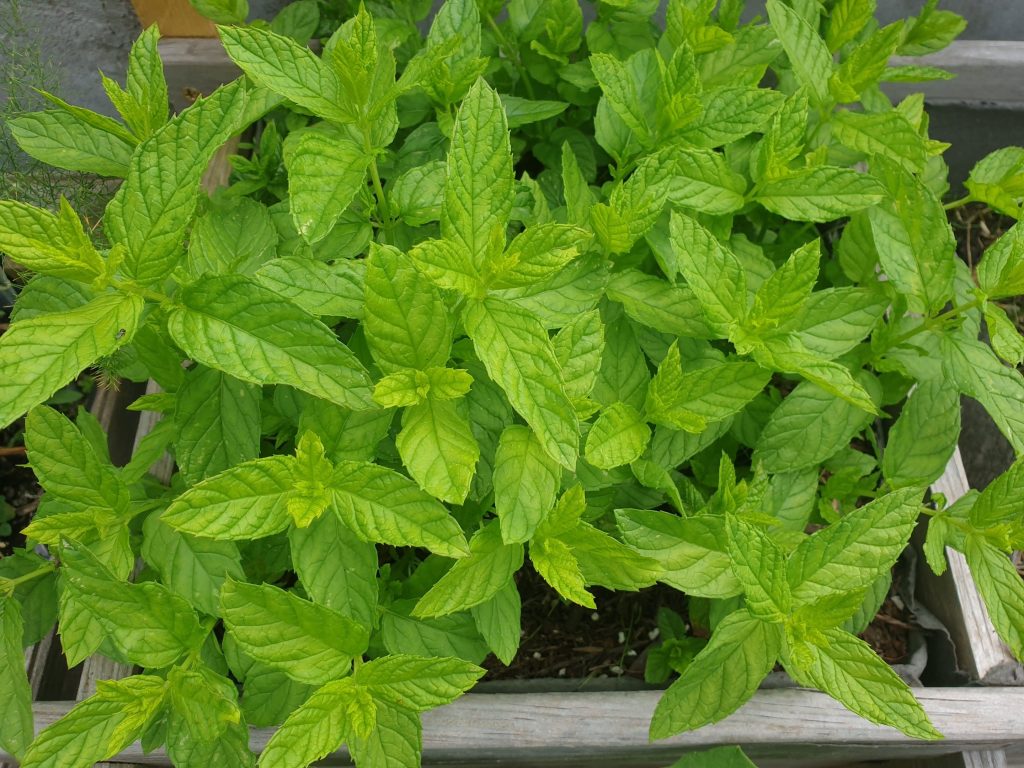
For once you have a plant made for containers!
Mint, when it finds the right conditions for growth, is powerfully invasive. For that reason, many gardeners hesitate to plant mint in the ground as the plant propagates itself by spreading underground roots in all directions.
There are many different types of mint: Spearmint, Apple Mint, Banana Mint, Pennyroyal Mint, Chocolate Mint, Pineapple Mint, Lavender Mint and Moroccan Mint.
Mint can be sown but it can be easily propagated by cutting a piece of root from an established plant and re-potting it. You can do this at any time of the year.
You can also propagate with a stem cutting by putting it in a jar of water. When roots appear and are 2-3 centimetres long you can put them in a pot with soil.
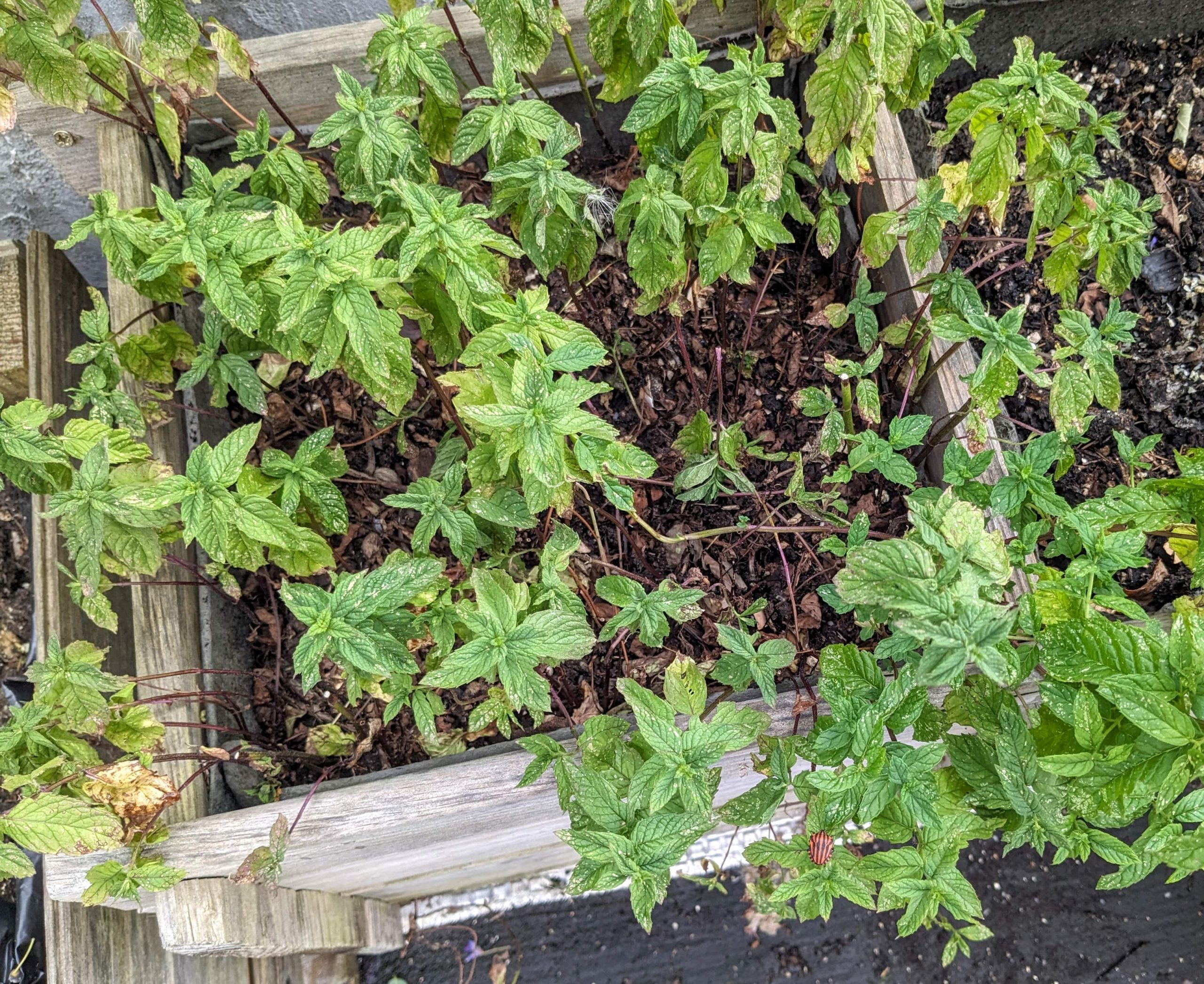
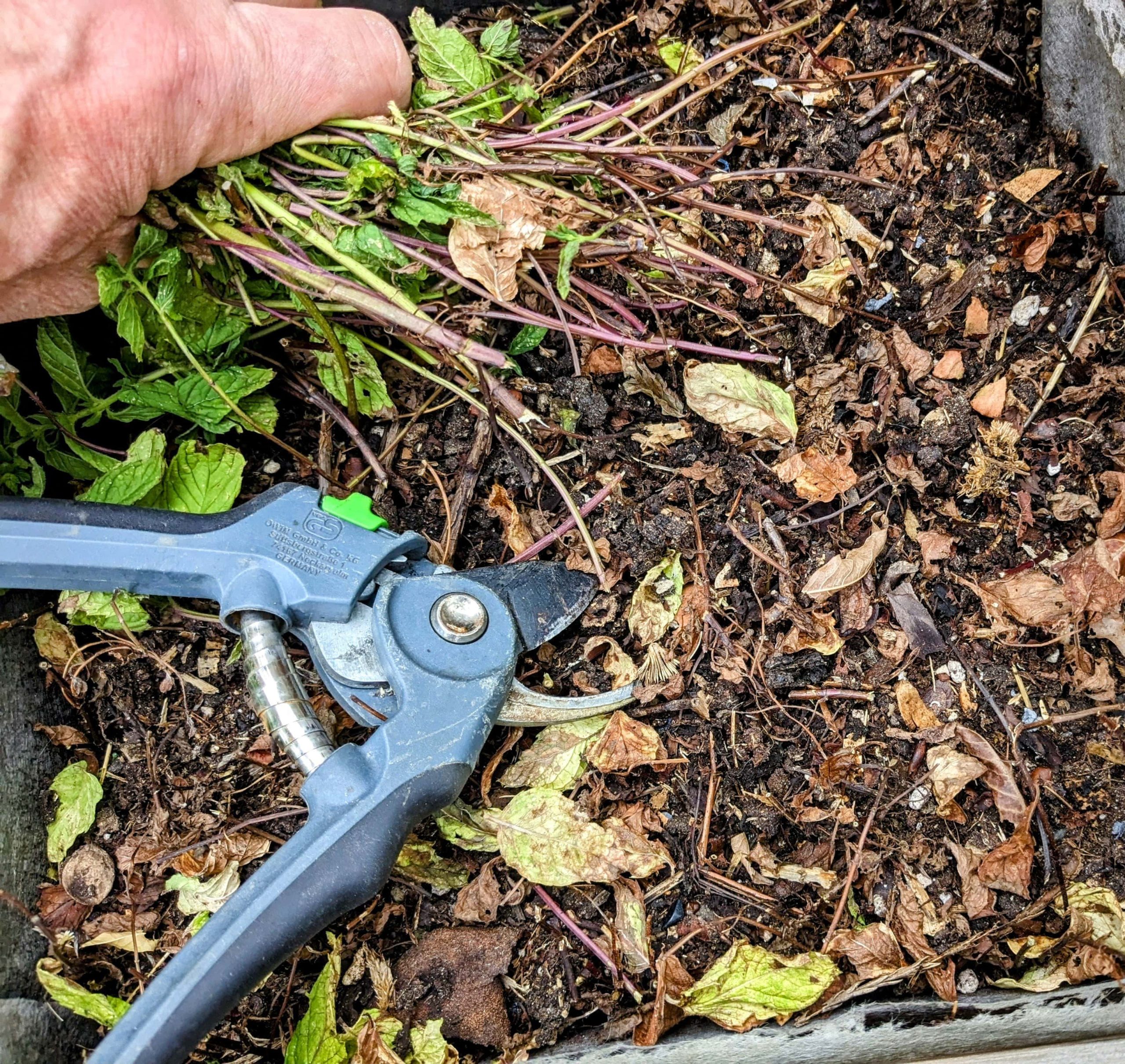
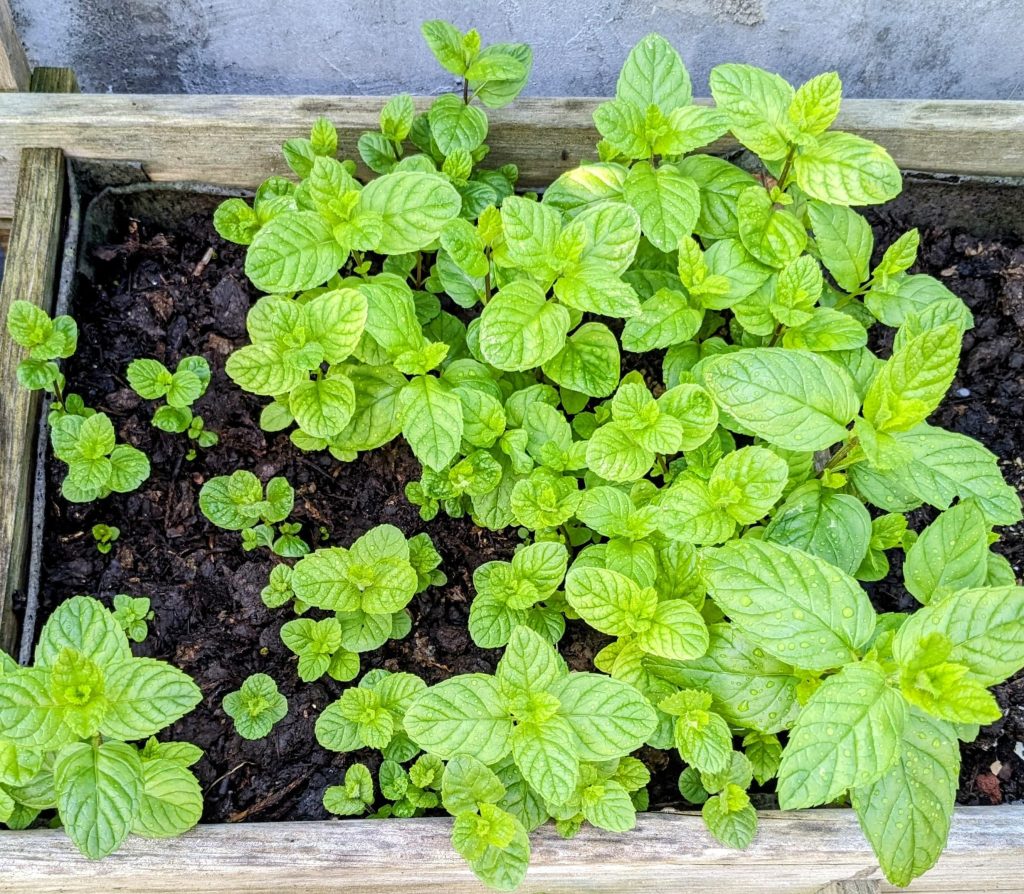
Remove flower heads as they appear to encourage more leaves otherwise the plant will grow long woody stems with small and poor quality leaves.
If that happens, simply cut back the stems to ground level and the plant will grow back new leaves within 3 to 4 weeks.
When you harvest mint leaves, don’t pick off individual leaves. cut the stem just above a set of two shoots like you do for Basil.
Lemon Balm
If you have a yard beware!!
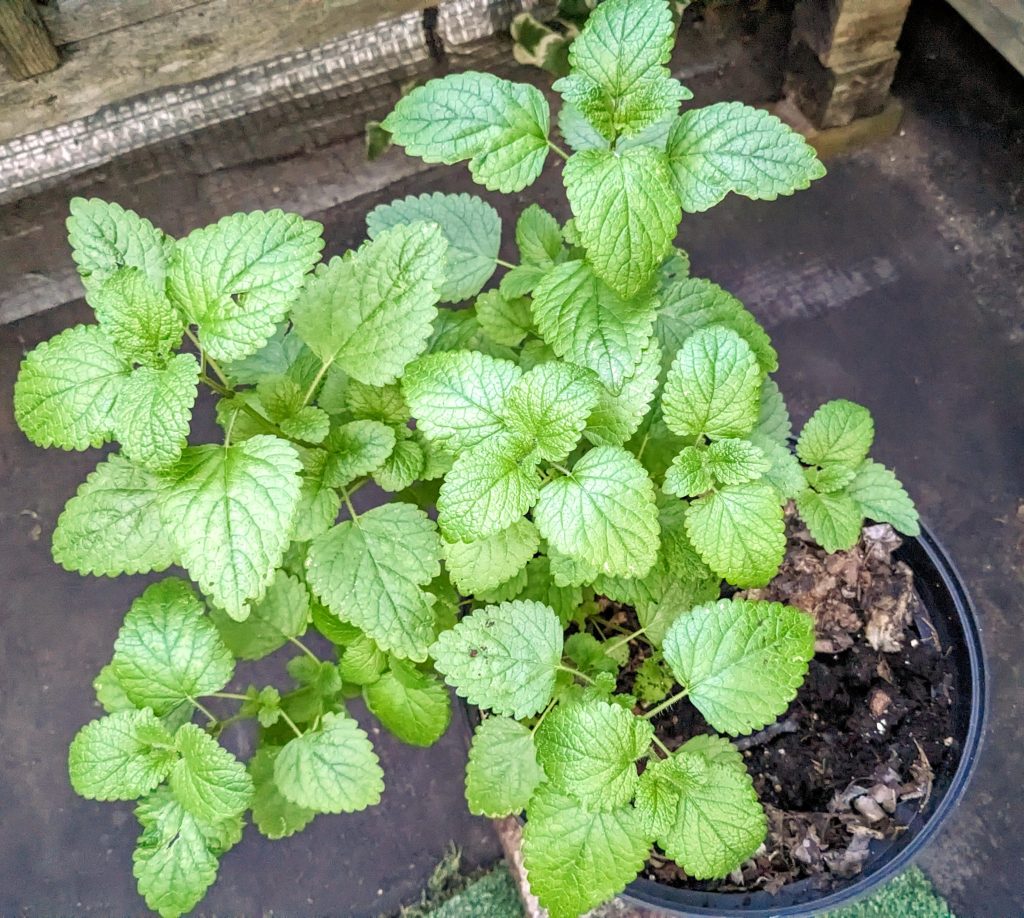
I need to warn you about this particular herb, if you let it make flowers and eventually seeds, it will reseed itself endlessly. wherever there’s a patch of bare soil you’ll find seedling plants appearing anywhere and everywhere!
What is lovely about this herb though is the gorgeous lemony smell of the leaves which you can use in the same way as mint for flavouring your teas and your cold drinks.
As with all herbs, harvest regularly and your plants will always stay bushy and healthy.